Bookings open at 0900 on Saturday, 16 May for the 2015 BBC Promenade Concerts. King Edward’s School features three times:
Prom 4 — 19 July
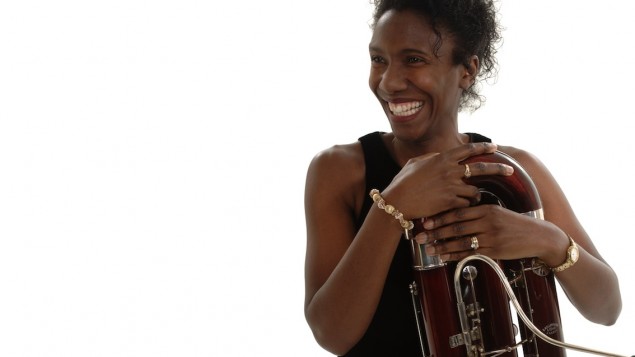
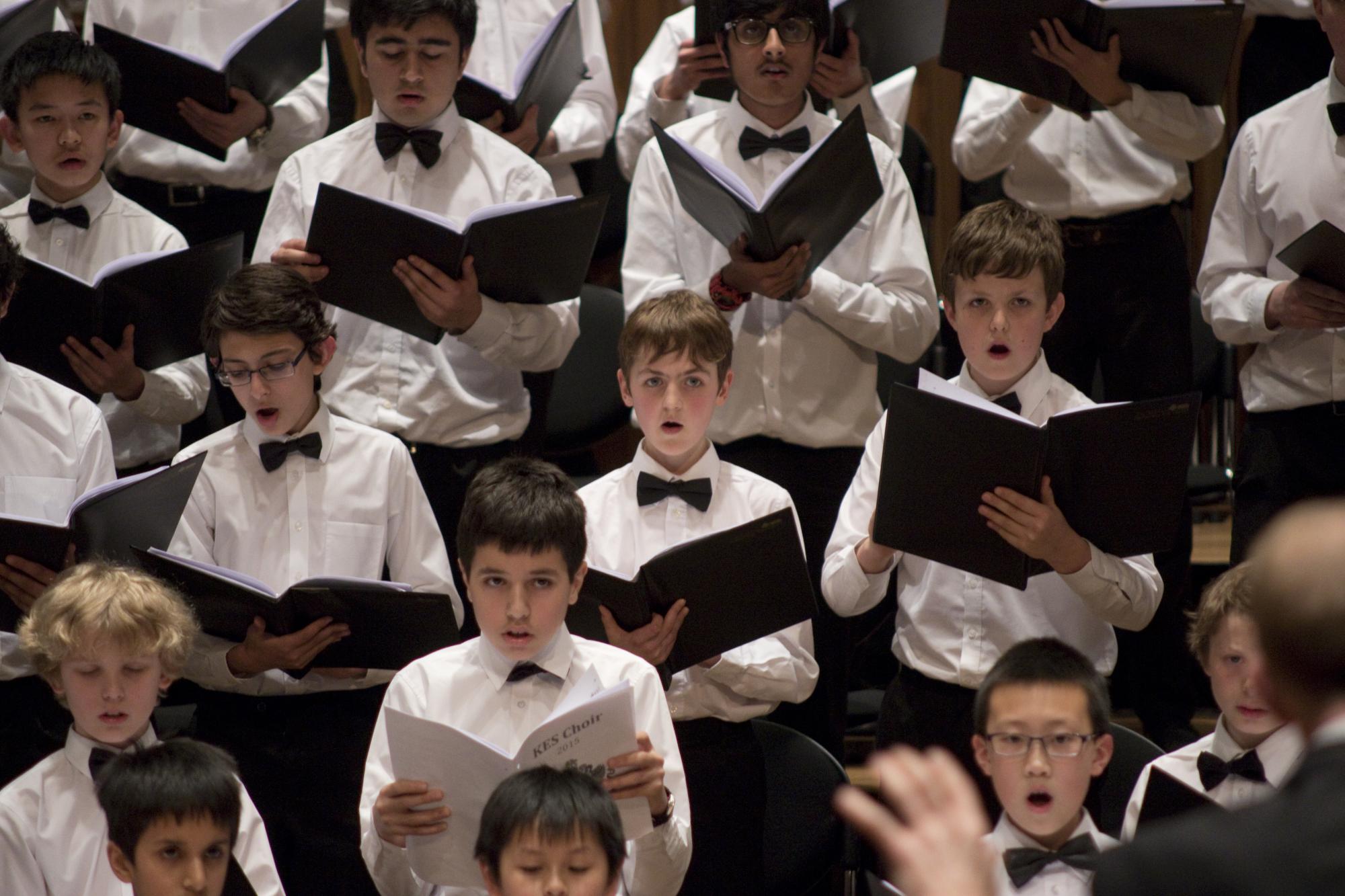
Our woodwind tutor, Margaret Cookhorn, is the soloist in John Woolrich’s contra-bassoon concerto, Falling Down. Patrick Charles and Mr. Monks sing Beethoven’s Ninth Symphony as part of the CBSO Chorus. The concert is given by the City of Birmingham Symphony Orchestra, conducted by Andris Nelsons, his last as Music Director.
Prom 31 — 8 August
As part of the National Youth Orchestra, Philip Edwards performs Mahler and Davies. Mark Elder conducts.
Prom 75 – 11 September
As part of the Proms Youth Choir, Patrick Charles makes his second appearance, this time with Sir Simon Rattle and the Vienna Philharmonic. Elgar’s The Dream of Gerontius is the repertoire.
Thursday, 7 May at 1305
Ruddock Performing Arts Centre
Gabriel Wong, violin
Eugene Toso and Enoch Cheung, ‘cello
David Millross, viola
Naomi Bazlov, piano
Philip Edwards, violin
works by Gershwin, Vivaldi, Kodály, Paganini, Sarasate, and Liszt.
This concert is in aid of the Nepal Earthquake Appeal, and the National Youth Orchestra, for both of whom there will be a retiring collection. The event is organised by Philip Edwards.
This recital is presented jointly with King Edward VI High School for Girls
The erhu is a two stringed instrument that is over 1000 years old. It evolved from another ancient Chinese instrument the xiqin (奚 琴) that was introduced in China in the 10th century, during the Song Period. It was however in the Dynasties of Yuan (1206-1368), Ming (1368-1644) and Qing (1644-1911) that the erhu developed and grew in popularity. It was most commonly used to accompany local operas. It was first acclaimed as a solo instrument in the 20th century thanks to a man called Liu Tianhua (1895-1932). Now the erhu is one of the most popular instruments in China not only because of its rich history but also because of the prestigious value it has.
The name erhu (二胡) can be split into the two separate figures 二 and 胡. The first figure means ‘two’ in Mandarin and this may be because the instrument has two strings. Another argument is that it is because the erhu is the second highest huqin (胡琴) instrument. However, there is no yihu or sanhu (one and three) so personally I think that the fact it has two strings makes more sense. Also there is a sihu (四胡) which is another huqin instrument with four strings and surprise, surprise, si (四) means four.
The erhu belongs to the huqin family which consists of nine different instruments. The erhu is the most common of all the huqim instruments. Originally, the erhu was played using a rosined stick, however, in around the year 1000, horsehair bows reached China and most of the Asian continent. Thus the instrument that we know came into being.
The Instrument
The erhu is made from a long, vertical piece of wood that has two pegs attached to the top of it. At the bottom a sound box that is either an eight-sided or six-sided prism, covered by a python skin. Two strings tuned to a D4 and A4 are strung from the base to the pegs. The bow, normally made of horsehair, is never separated from the strings and is instead placed in-between the two. There is no fingerboard and are no frets.
The erhu is held upright on the performer’s leg, with the left hand holding it at the top and the right hand controlling the bow. Although there is a screw to vary the bow tension, the tautness of the bow is determined by the pressure of the right hand. This allows a great range of effects, from a very wispy, airy sound to a harsh, sharp sound.
The two strings were originally made from silk. However, this meant the sound wasn’t very loud and so now they are made from metal, mainly steel. The two strings are tuned a fifth apart and normally a D4 and an A4, the same as the middle two strings on a violin. In fact the erhu is sometimes referred to as the ‘Chinese violin’ as the principles are the same and in the Eastern orchestras the erhu has the same role as the violin in a western orchestra
The Music
The erhu has a weird and wonderful sound. It resembles the human voice and can also imitate many natural sounds, animals for example. It is a very expressive instrument that normally plays melancholy and melodic pieces. However it is also appropriate for more jovial and light-hearted pieces. There have been many great erhu players throughout history but one, by the name of Abing (Full name: Huà Yànjūn 华彦钧) really stands out from the crowd.
Abing (17 August 1893-4 December 1950) was a blind erhu player. He was an exceptional erhu performer, not only because he was blind but because also incorporated topical issues into his music. As well as playing the erhu he also composed many different prestigious pieces which are known throughout China (a particularly famous example is Erquan Yingyue 二泉映月 which means the Moon reflected in the Er-Quan). His pieces for erhu and pipa have become compulsory for every learner and he is widely acclaimed as the best erhu player of the 20th century. It is thanks to Abing that we have such wonderful pieces on the erhu and I think he is the one who developed the understanding and characteristics of the erhu the most.
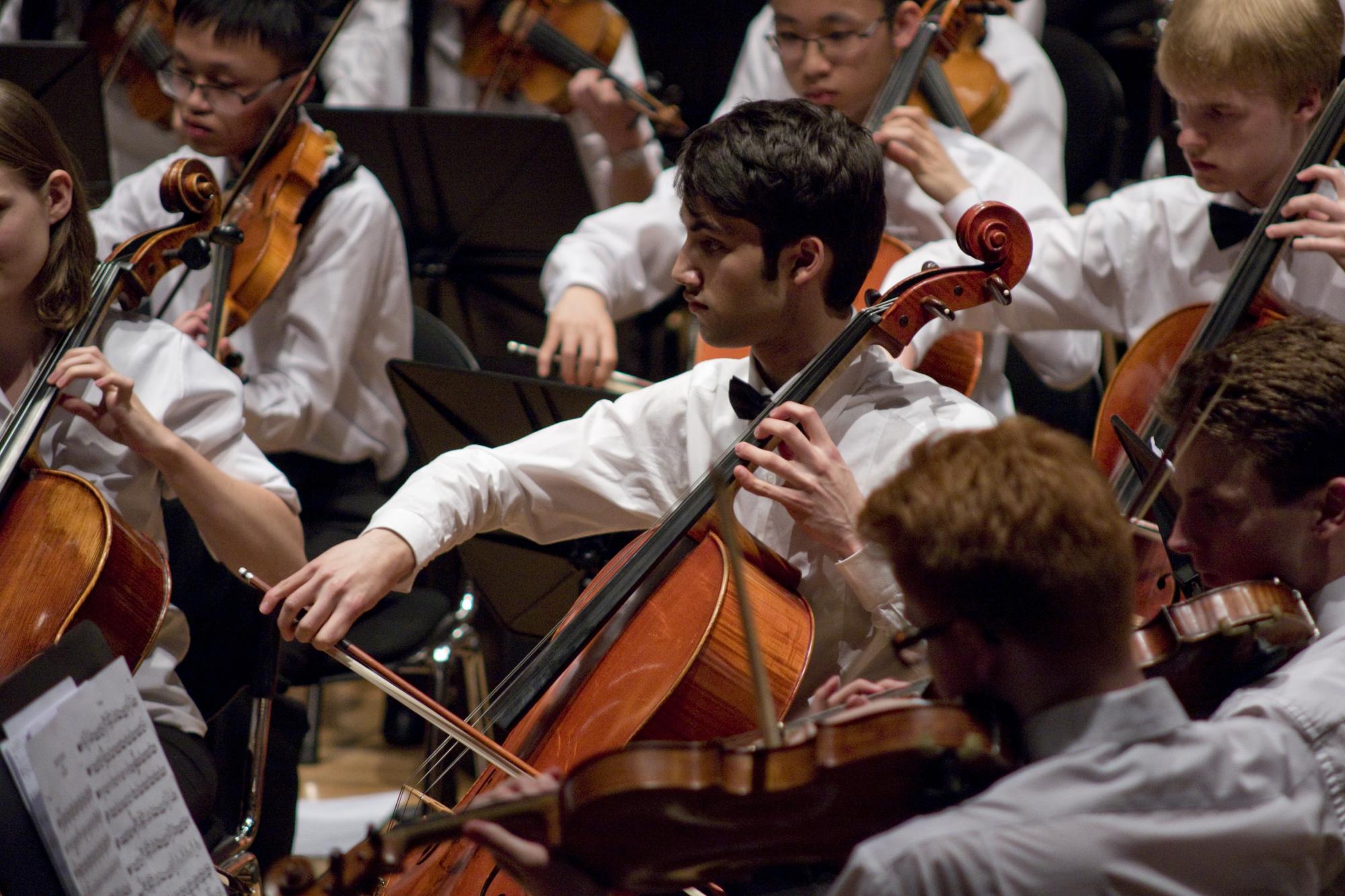
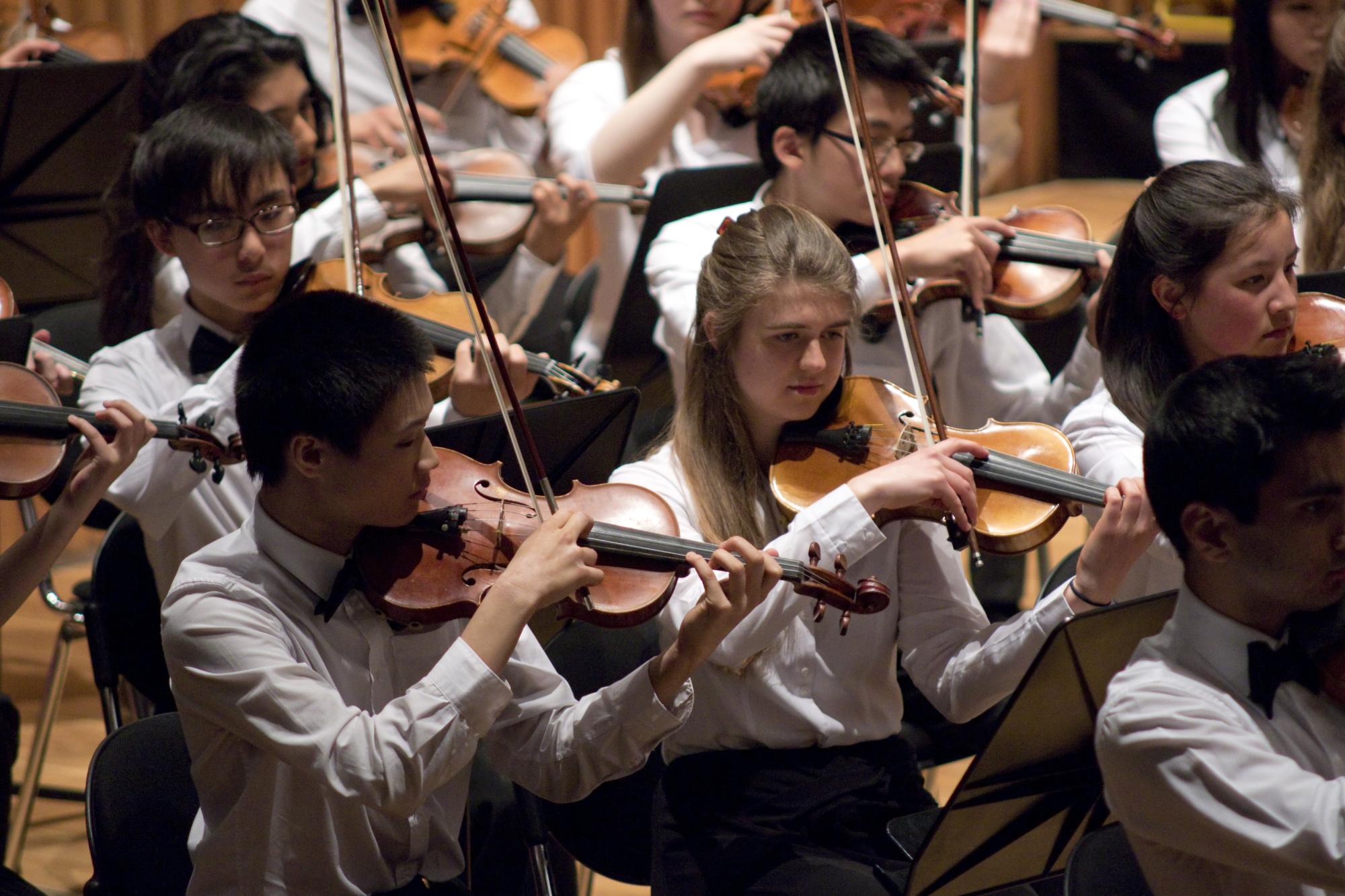
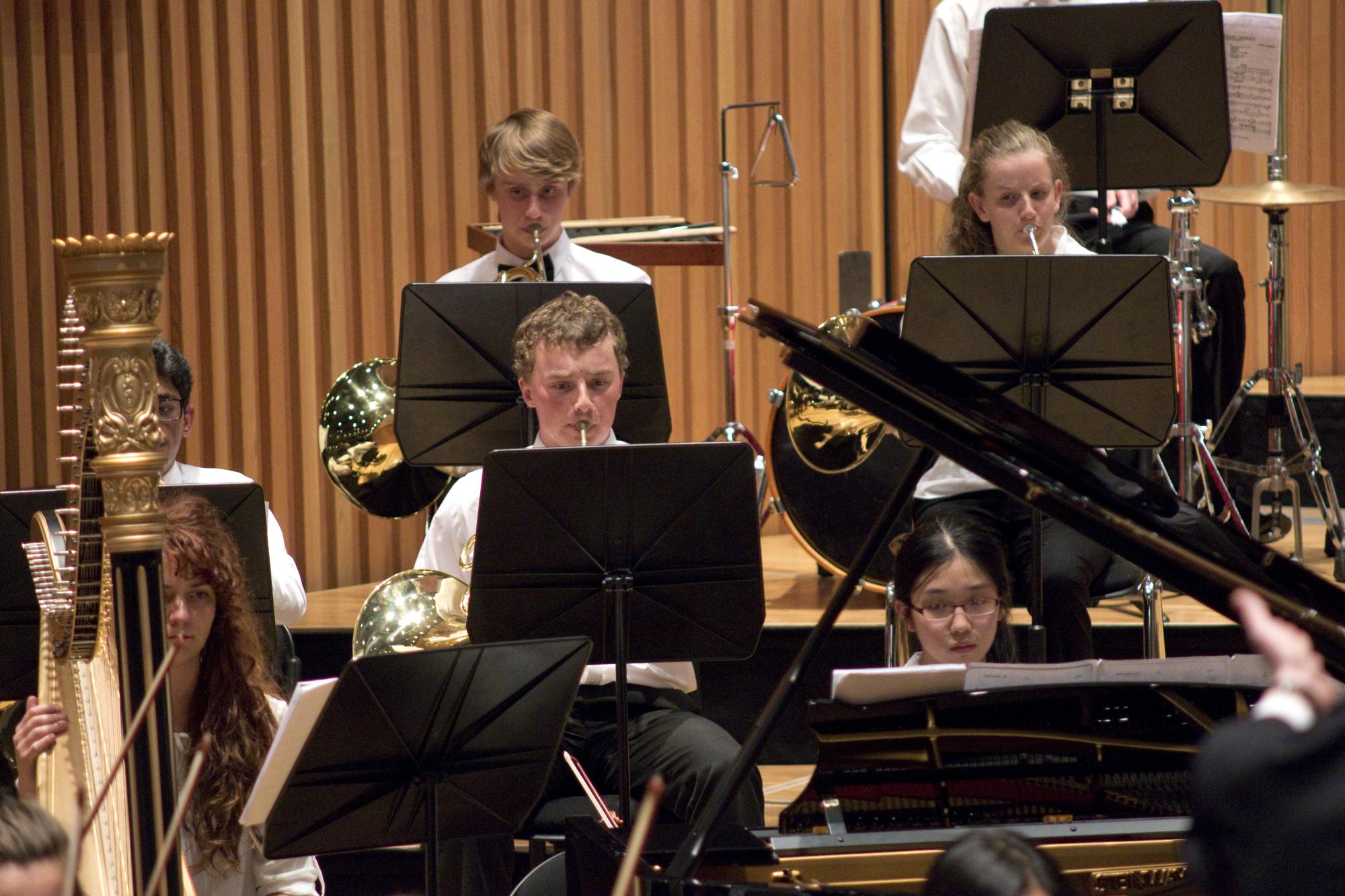
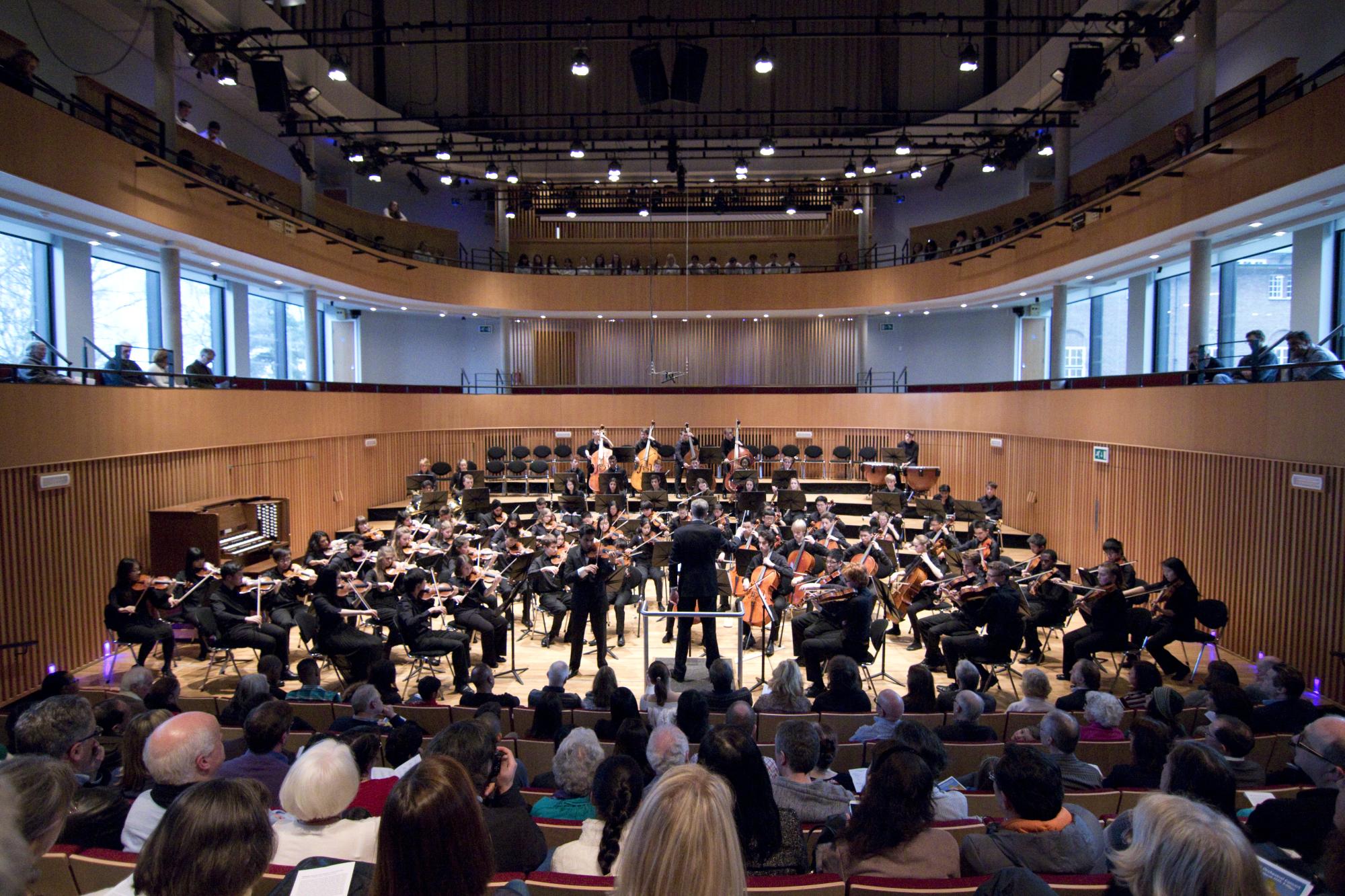
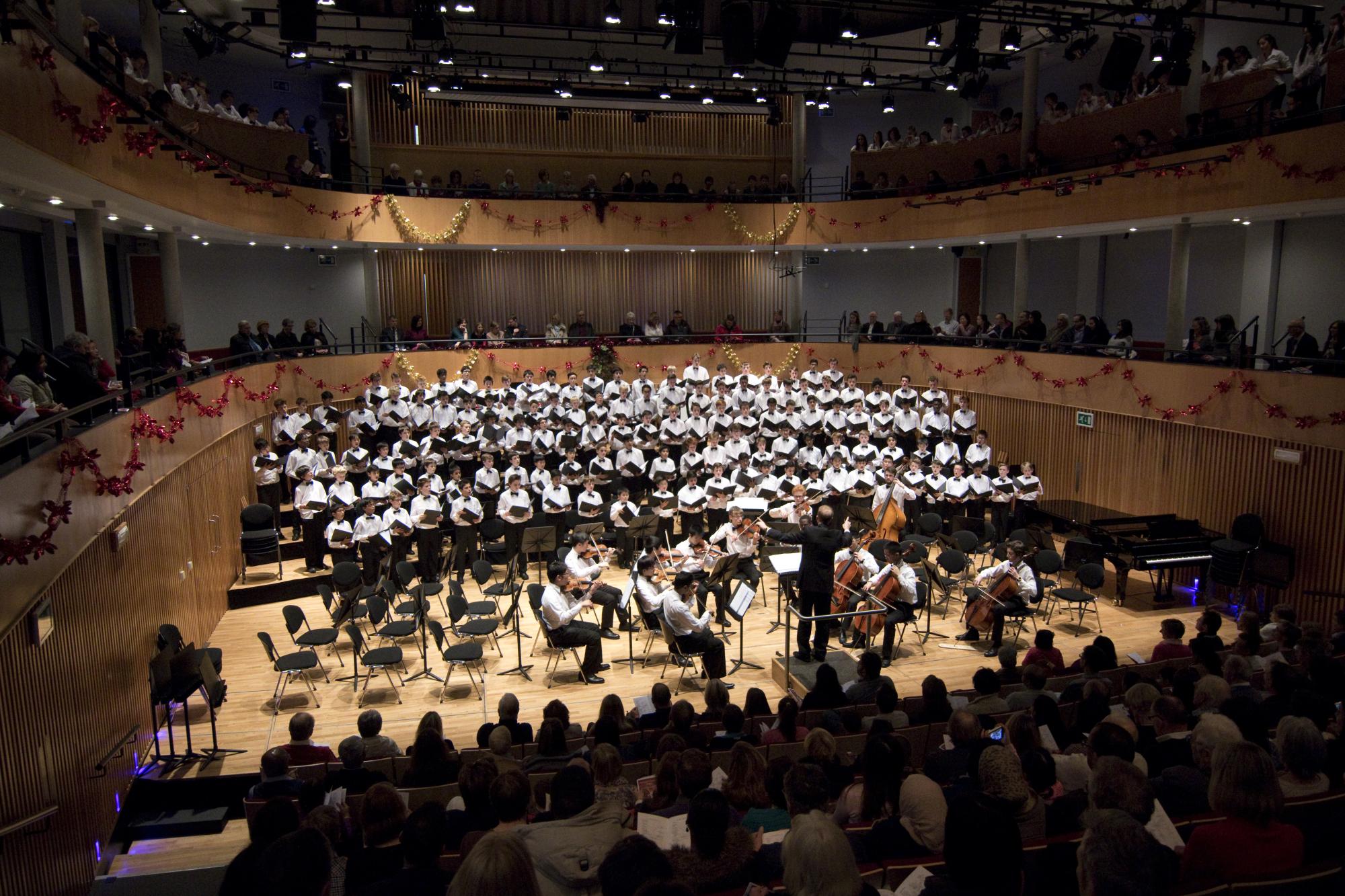
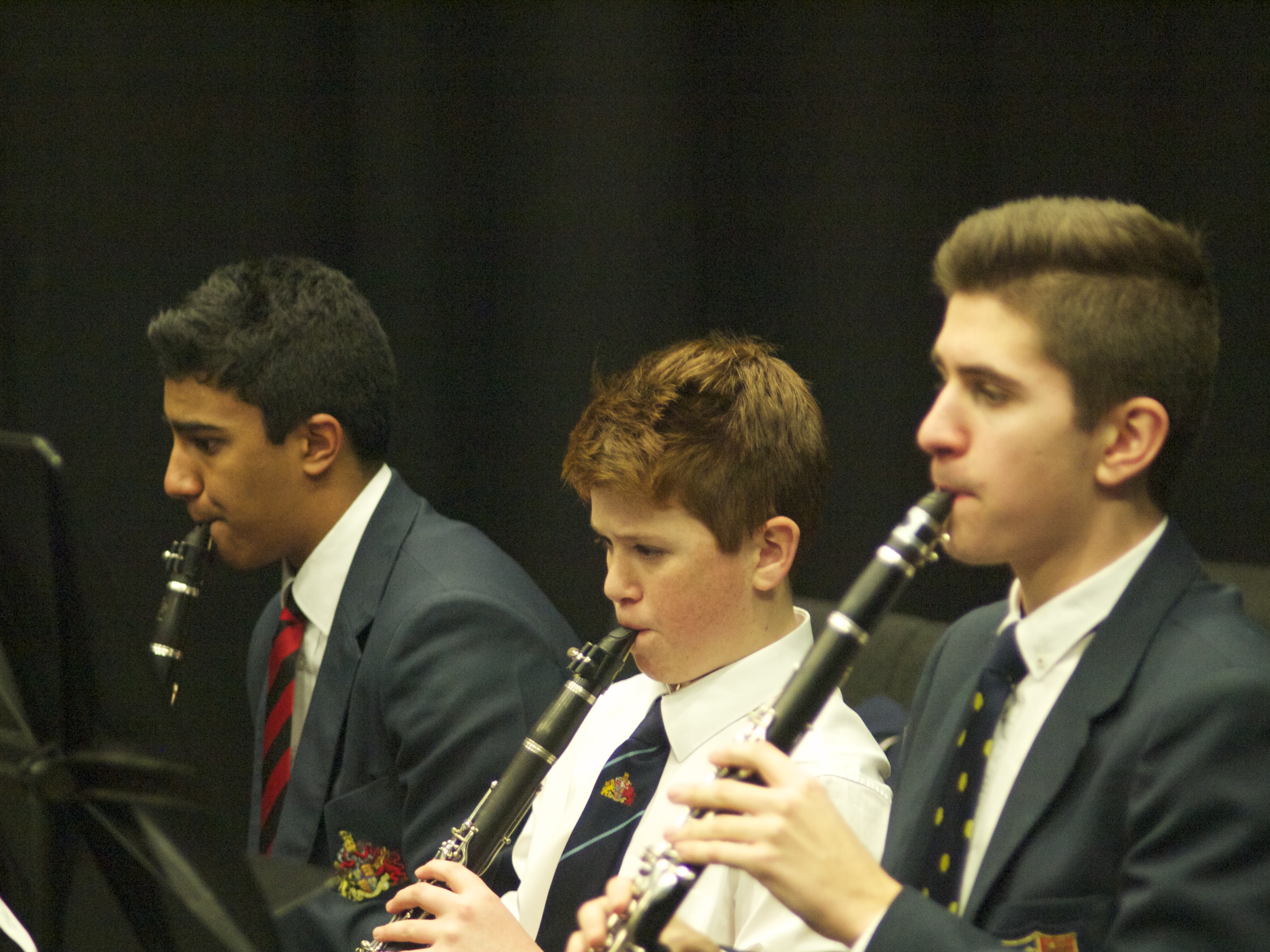
In preparation of the Choral and Orchestral Concerts, the KES/KEHS Symphony Orchestra woodwind rehearsed last week under the guidance of Margaret Cookhorn, principal contrabassoonist of the CBSO.
“My setting forward was somewhat before seven in the morning; my Taborer struck up merrily; and as fast as kind people throwing together would give me leave, through London I leapt.”
Will Kemp
Will Kemp was a renowned clown and Morris dancer in the 16th century. He was a member of William Shakespeare’s acting group, the Queen’s Men. He achieved such stardom when he Morris danced from London to Norwich over nine days, that he wrote a book about it, humbly entitled, ‘Will Kemp’s Nine Days’ Wonder’!
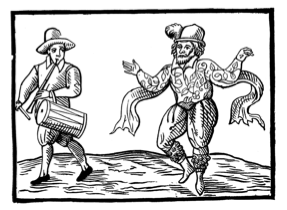
The cover picture from Kemp’s Book
The merry Taborer mentioned, was called Thomas Slye, and he is pictured above accompanying Will with his pipe and tabor.
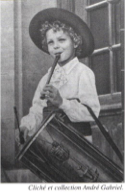
The pipe and tabor are separate instruments: a three-hole pipe, played with the left hand, and a drum, or tabor, hanging from the left wrist, elbow or shoulder. This was sometimes called the whittle and dub, the name probably deriving from whistle and tub. This combination is surprisingly hard to play well (I’ve tried!) because you have to provide a convincing rhythm whilst skilfully navigating the pipe’s perilous harmonics to play a jaunty melody. Few instruments of the 16th century were as well suited to accompanying dances as this combination. It was a tremendously efficient use of a musician.
Another famous taborer was Dick Tarleton (see below), a founding member of the Queen’s Men, who would have worked with Will Kemp. He was also a famous actor, musician, fencer and the favourite clown of Queen Elizabeth I.
Dick Tarleton
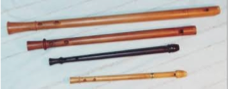
The three-hole pipe had two finger holes and a thumbhole. This arrangement worked because it could be easily played with one hand so you could do something else at the same time.
Some three-hole pipes
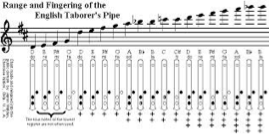
A player can achieve multiple harmonics by blowing harder or more softly into the instrument. In this way, a skilled player can secure a range of an octave, plus a few extra notes above and below.
Range and fingering of the pipe
The tabor can be any size of round gut-snare drum that can be hung from the shoulder or wrist and played with one hand. The name may come from a corruption of the French ‘tambour’ and Italian ‘tamburo’. In the Provence region of France, they strike directly on to the snare to create a continuous sound. It is usually played on the snare head of the drum.
A tabor
A different instrument called the string drum often accompanied the three-hole-pipe. This was particularly the case in France where it is still in use today. It consists of an oblong sound box with two or three strings wrapped round it. A player sounds the instrument by hitting all the strings with a small stick. It added simple harmony, in the form of drone notes, to the arrangement. This was particularly useful in the middle-ages because tonal harmony was yet to become the norm, so pieces were often accompanied by repeated tonic and dominant notes.
A string drum
THE MORRIS
Morris dancing derived from “Moresque” dancing, which was exotic dancing from Africa and the Middle East. This was fashionable as a court and civic entertainment from the early fifteenth century, accompanied by the pipe and tabor. In the Tudor times it involved a series of forward leaps and steps, which would have been really hard work and would have moved along quickly as opposed to the rather stationary modern version. In his book, Kemp enjoys describing a number of people who tried to keep up with him for long distances, and were left far behind.
‘Indeed my pace in dancing is not ordinary’
Will Kemp.
Here is a link to Pierre Hamon, who can make the pipe and tabor sound beautiful in a Middle Eastern style. He has a unique haunting tone and an atmospheric quality to his playing. Enjoy!
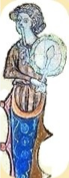
A pipe and tabor player from a medieval manuscript
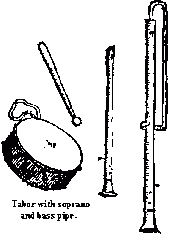
The pipe and tabor even developed a small family, depicted by Praetorius as a treble, a tenor and a bass variety.
Praetorius’s drawing of a pipe and tabor
The bass was 30 inches long with a 23-inch crook. A family was common among instruments of the time because the aim of musical instruments was to imitate the human voice which is divided into soprano, alto, tenor, and bass. The voice was considered the pinnacle of musical achievement because God had created it.
A bass tabor pipe
The pipe and tabor enjoyed a long stretch of popularity as the primary instrument to accompany the Morris dance, which was still popular by the 19th century. It was also in demand for accompanying village dances. In the Tudor times, each region would have a player who was usually in a guild of musicians. He could be hired and would take apprentices. He would teach an apprentice tunes by heart, which is why only a fraction of the period’s folk music survives.
A talented bear
Its popularity is proven by the plethora of illustrations that were made which include the instrument. Many of these you can see in the text. The combination can even be seen carved in the stone of some cathedrals.
A relief at Gloucester cathedral
The pipe and tabor inevitably diminished in popularity during the 19th century and was almost obsolete by the 20th century. However, in the rediscoveries of recent times, it has made a comeback and is now often seen at living history and traditional events such as the York Mystery Plays.
THE PIPE AND TABOR IN EUROPE
The pipe and tabor has had a similar level of popularity in France, as in England. The Provence region of France has exceptionally strong pipe and tabor tradition, with their own type of tabor pipe, the galoubet. This is a small tabor pipe which plays at a very high pitch. This is augmented with the tambourin, a very long drum with a resonant tone and strident snare.
A galoubet player
You can hear the galoubet here:
Perhaps the oddest variant of the three hole pipe can be found in Slovakia and is something of a cross between a tabor pipe and a didgeridoo. It is called the fujara and is used to accompany agricultural singing. It has a deep and rather unique tone with a length of some two metres.
A fujara player
The pipe and tabor was deeply rooted in the world of country-dance. As fashionable music fluctuated, it was unable to cross musical borders. In addition to this, amateur musicians would have found it very challenging to play, because it was two instruments in one. They opted for musical alternatives, such as the recorder and the flageolet, which were easier to master.
However I do believe that the pipe and tabor can be a truly magical experience to listen to, and should not be lost to the mists of time.
To finish, here is one last quote from Will Kemp’s book.
‘I crave pardon; and conclude this first Pamphlet that ever Will Kemp offered to the Press, being thereunto pressed on the one side by the pitiful papers, pasted on every post, of that which was neither so nor so, and on the other side verged thereto in duty to express with thankfulness the kind entertainment I found.’