King Edward's Music

Music at King Edward's School, Birmingham

To Leipzig with Birmingham Cathedral Choir

King Edward's School, Birmingham, Music Department

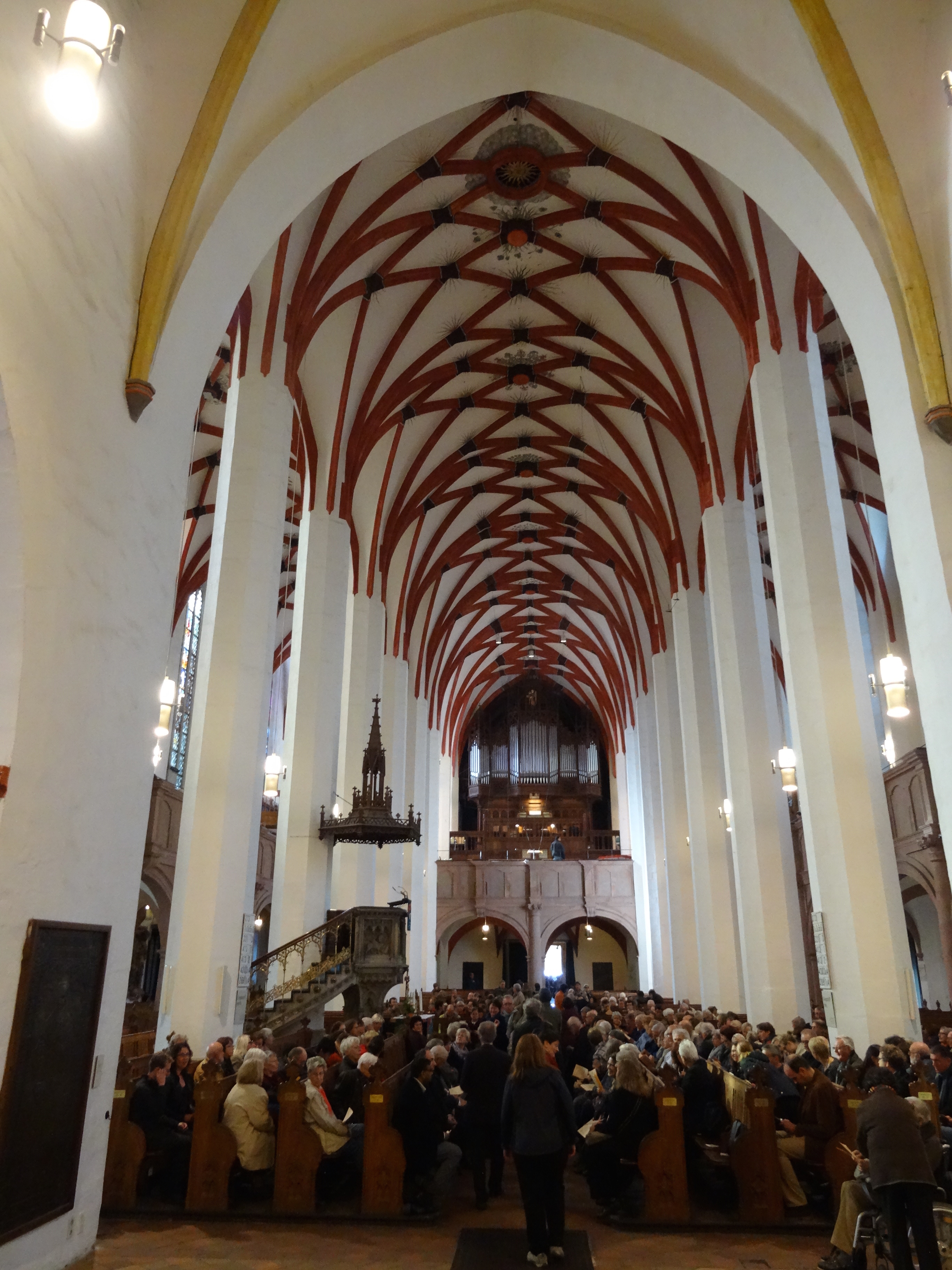
The Thomaskirche in Leipzig.

1. The Adventure begins!

As our 52 brave explorers checked in at the airport, they knew there was no going back.

Five of these were in the charge of their chaperone Andrew Thompson (nicknamed ‘His Majesty’). These individuals were called Ocean, Joshua, Yuhan, Remi and Christopher. After they had survived security, they all set out on the flight. Several books and a phone were what many of them had to survive on. After more security in Germany the group was free to embark on the final flight until they landed in Leipzig.

The first big task after the coach journey was to sort out who had which bed. This proved to be easier for some. Many ran into the room and sorted it out by who sat on which bed first.

2. Thomaskirche

After the first night, three of our heroes, Joshua, Ocean and Christopher had their hunger satiated by the ample food at the breakfast buffet. Our 52 voyagers were separated because half of them had filled up a tram and the others were left behind. The courageous leaders, Andrew and Canon Janet safely led the stragglers to the Thomaskirche (St. Thomas’s Church) where they would sing. The Thomaskirche was the church where Bach was the organist for nearly 30 years!

Two practices and one lunch were enjoyed until the big moment. The first performance on the tour began… it was thrilling although somewhat nerve-racking. The amazing acoustics were startling to our choir as they have recently become used to echoes being dampened by scaffolding at Birmingham Cathedral. The acoustics especially enhanced the Bairstow Anthem called ‘Let All Mortal Flesh Keep Silence’. After the first few pieces the choristers settled down and found that the hour and a bit seemed to last a much shorter period than Sunday evensong! The 650 people they performed to had queued up for the concert 45 minutes, and some people were turned away because the church was full.

3. Thomaskirche again

Sunday was to be the last day of formal choral activities. The Choristers sang a truly beautiful piece called ‘If ye love me’ by Thomas Tallis. They also sang the hymn by Bach, ‘Ach Mein Gott Himmel Sieh Darein’ that contained many complicated German words. The morning service contained a good opportunity for those that had a disturbed night to sleep as possibly the longest sermon ever took place there-what’s more, in German!

4. Naumburg

After the service, they were free to roam in the hotel until they went to Naumburg Cathedral. People used this opportunity in different ways. Possible activities included, chatting, reading, sleeping, watching a film about Colditz, playing cards etc. The clock was ticking away minutes like seconds, and the 2 or 3-hour break seemed to only take 20 – 30 minutes. Still, an hour coach journey was an opportunity seized by those in possession of a DS (which is an electronic device that you can play games on).

Many of the choristers were pleased as the Naumburg concert had the Hallelujah Chorus on the schedule! A quick tour around the site revealed many interesting facts about it.

The concert was raising money for refugees and in the audience was some people that had come from Afghanistan and, because people are not allowed to sing there, they had never heard singing and were blown away by the experience! Conceivably, the most challenging thing that the choristers had to do on the whole trip was to eat the whole of the main course at a nearby restaurant. It consisted of lots of pork in the form of steaks and dumplings. This challenge, many of them failed dismally.

5. Off to prison

As the title suggests, the travelling people got put inside the four walls of Colditz. During the second world war, Colditz was used camp for unco-operative soldiers who had a habit of being good escape artists. The guide told some entertaining stories of escape attempts and devices used to help them escape, such as a puppet and a glider fixed together with porridge! As a group, the tourists all enjoyed the visit very much.

6. The Final Day.

Sadly, Tuesday was the final day of the tour. This day, however, was the day of the Bach museum, something that many had been anticipating for a while. The Bach museum contained several original manuscripts of his pieces! There was an exhibition of his organ with all of the stops and pedals and an exhibition of Baroque instruments. Such as the Bassono Grosso (A bassoon), the theorbo (a type of Baroque guitar) and the lute (similar to the theorbo but smaller). There were several computers with the full works of Bach to search through at leisure and listen to via headphones which definitely made it a massive highlight for most.

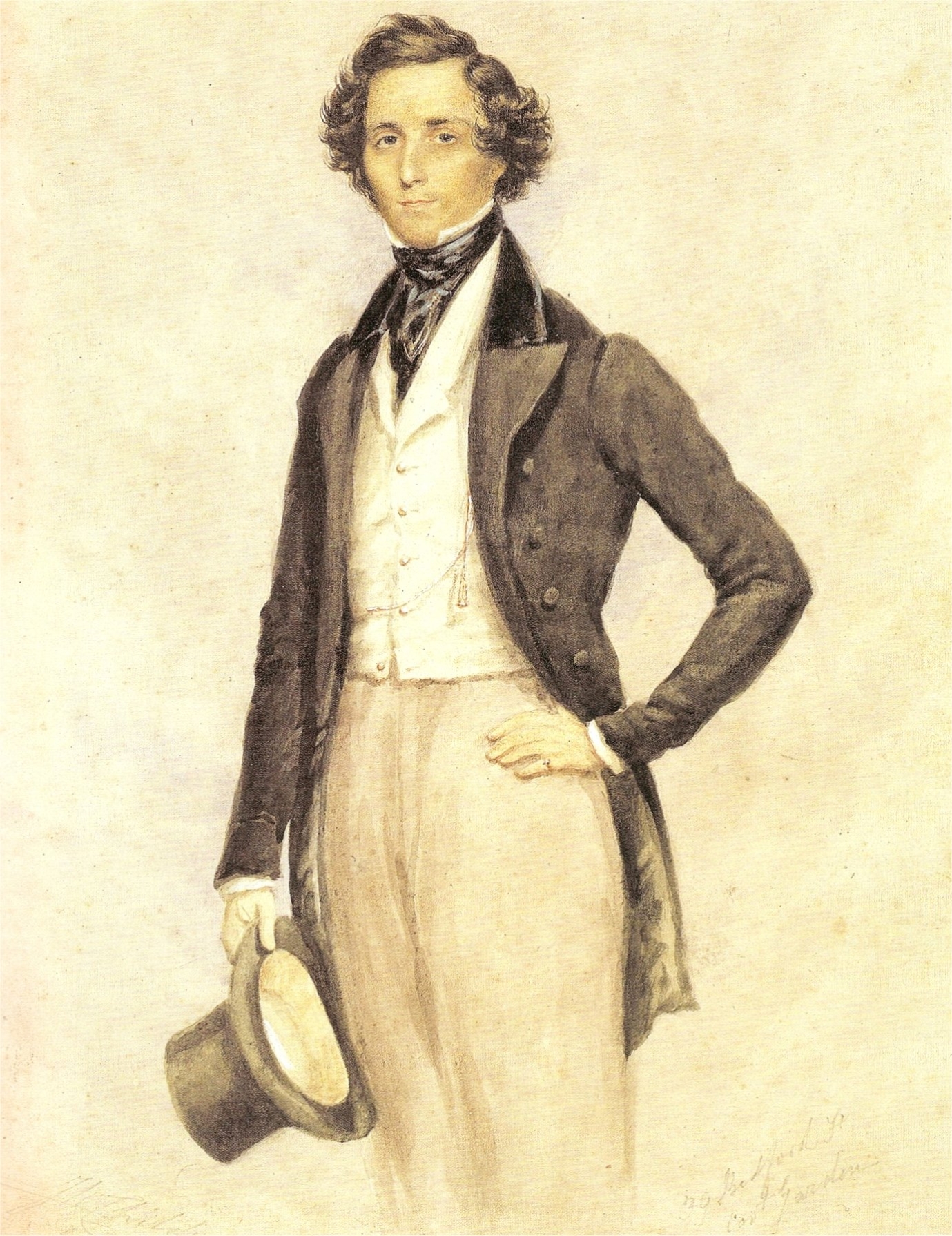
The final experience was a delicious lunch at the Panorama Tower restaurant, 29 floors up! The group sang former Leipzig resident Felix Mendelssohn’s Kyrie Eleison much to the enjoyment of our Leipzig hosts. Thanks to the Birmingham city council for arranging this as Birmingham and Leipzig are twinned.

The 52 adventurers then made their way back to the airport. The five heroes were very tired but thrilled by their exploits in Leipzig.

Thanks a lot to Andrew for giving them a right royal time!

Christopher Churcher (Shell)

Music at King Edward's School, Birmingham

Lunchtime Recital

Music at King Edward's School, Birmingham, Aaron Copland's Appalachian Spring

Thursday, 19 November at 1305
Ruddock Performing Arts Centre

Luciano Berio (1925-2003): Opus Number Zoo
Aaron Copland (1900-90): Appalachian Spring (original version)

Isla May Atay, flute
Adriana lo Polito, oboe
Peter Murphy, clarinet
Philippa Kent, horn
Margaret Cookhorn, bassoon


Music at King Edward's School, Birmingham

This recital is presented jointly with King Edward VI High School for Girls


Performers’ Platform

Schumann at King Edward's School music department, Birmingham
Monday, 16 November at 1830
Ruddock Performing Arts Centre

Shirom Aggarwal, saxophone
Renee Chang, violin
Charlotte Chapman, oboe
Rosy Heneghan, viola
Edward Hodge, clarinet
Mark Li, piano
Eugene Toso, ‘cello
Hendrik Vogt, clarinet
Ivy Lau, Zoe Yap, Junias Wong, Beatrice Beardmore

including works by Weber, Fauré, Coletti, Schumann, and Haydn

Music at King Edward's School, Birmingham

This concert is presented jointly with King Edward VI High School for Girls

On tour with the National Youth Orchestra

Music department at King Edward's School, Birmingham

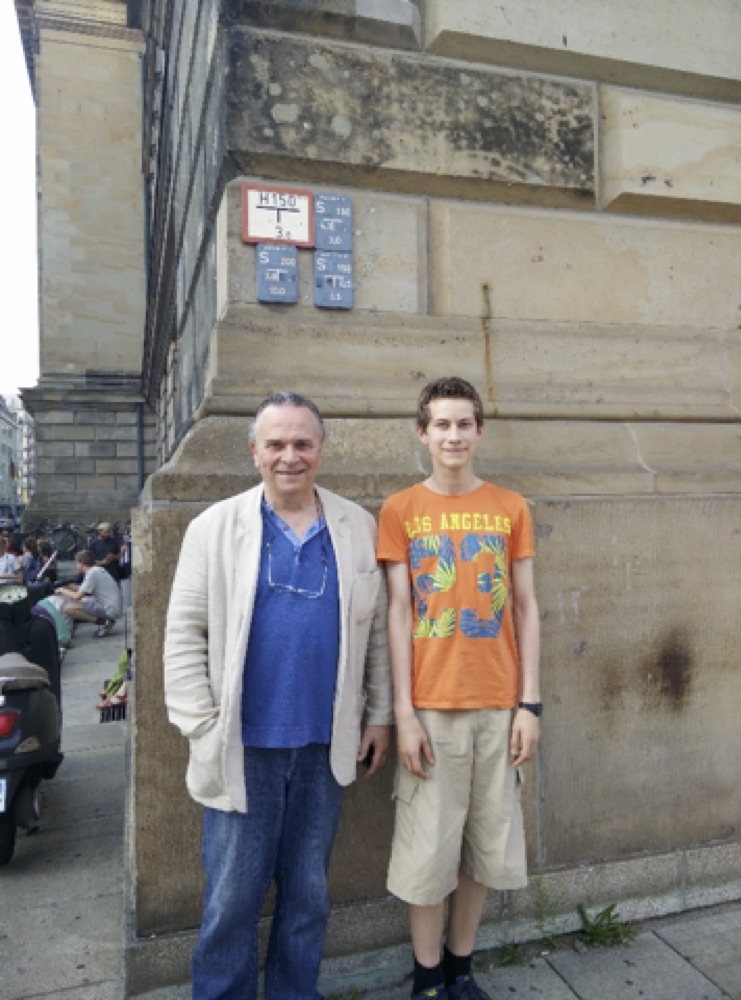
Sir Mark Elder and the author

To say the concert tour I just went on with the National Youth Orchestra was amazing would be an understatement. We performed at 4 different venues in 2 countries: Snape Maltings concert hall in Aldeburgh on the beautiful Suffolk marshes; a greatly resonant Symphony Hall in Birmingham; at the prestigious BBC Proms in the Royal Albert Hall in London; and finally at the impressive Konzerthaus in Berlin as part of a European youth music festival rather like the Proms.

Today I will tell you about the last two concerts. The story begins in Birmingham, right after our successful concert in a well-occupied Symphony Hall. We climb onboard coaches to London, and arrive around half past midnight at the Imperial College accommodation, me not realising just how near the Albert Hall was! As it turns out, the next morning, after a long lie in, it is our (temporary) next door neighbour. We practise our programme intensively, not because we need to improve it, solely in order to adjust to the slightly cathedral-like acoustic and make sure the balance of strings and winds is tuned. The BBC also ask us to play certain parts so they can practise filming us for the concert.

Our programme for this third course of the year is no simple affair; we are playing our own new commission by ex-BBC Young Composer of the Year, Tansy Davies, called “Re-greening” (about the entry of spring), and finally, the gargantuan, momentous Ninth Symphony by Mahler, whose meaning is still a hot topic of discussion among knowledgeable music scholars. A good programme is nothing without a great conductor, but we have a true master of the orchestra conducting us: Sir Mark Elder. His eye for detail and broad knowledge and interpretation of the Mahler significantly contributed to our huge success.

The two pieces in our programme are, on face value, fundamentally different: the Mahler is conducted and has a more rigid style, while the Tansy Davies is led by various parts of the orchestra and has a freer style. However, having played and practised both for many, many hours, it becomes clear just how the pieces unite, almost subconsciously. The length of the Mahler (almost one-and-a-half hours) lends itself to there being more meanings and stories within it that are each more subtly revealed, but the Tansy Davies, for its length, crams in a lot of material too, even including singing by orchestra members while they are playing.

Back to the Albert Hall and the fruits of our two-week-long labour are paying off for the third time. Although the concert is not only being filmed for showing next week, but is also being broadcast live on the radio, the seven concerts that all 165 of us have already played together this year bind us together into a mass of confident musicians. The Tansy Davies, seeing its London premiere, is greatly appreciated by the enthusiastic audience of our sold out concert. The composer joins us on the stage to take a bow, and shortly afterwards, we start the Mahler. But not without a sustained length of silence beforehand, to set the atmosphere for a piece that some say documents Mahler’s forecast of his death (which he had little medical warning about), and others say is about his thankfulness for what he had had in his life until this point, as a sort of “farewell” for his inevitable eventual death.

The symphony has four movements: the first is the longest, at over 25 minutes long, and is unusually slow for a first movement; the next is a typical, relaxed German country waltz, perhaps alluding to Mahler’s rustic beginnings; meanwhile, right at the start of the score for the third, Mahler dedicates it to “my brothers in Apollo”, which many take as a jab against Austrian music critics who doubted his ability to write contrapuntally, hence a complex movement unfolds; finally, after over a tiring hour of music, Mahler asks the orchestra to bring up yet more energy, though this time more in intensity than sheer volume, for the deathly last movement, which references his own Kindertotenlieder (Songs on the death of children).

After we finish the last dying chord, there is silence in the hall, for a full 15 seconds. A standing ovation ensues.

The next morning, we leave bright and early to catch our flight to Berlin (most of which is occupied by us!), though not without a long wait for checking in all of us. When we arrive, the heat stifles us, as it is already nearly 30°C, but worse is to come! After arriving at our centrally located hostel, we amble through the historic city’s streets, and already that evening witness a lot of history. On the day of the concert, we have the morning off again to visit the city, but the sweltering 36°C heat prevents us from seeing too much, so we mainly stay in coffee shops, drinking cold drinks. In the afternoon, we have our final rehearsal of the year, with all of us loving the ideal acoustic of the Konzerthaus; as Sir Mark puts it, why can’t London have a hall like this, with such a great acoustic?

The concert here goes very well, in fact, so well that some people clap straight after the end of the last movement, before holding silence, this time for nearly 30 seconds. Finally, the audience claps for 10 minutes solid, and there is not a single person not standing in the auditorium.

We are all reduced to tears. 9 concerts over 8 months: it is incredibly emotional for us all. We say our goodbyes onstage as soon as the audience leaves, because a number of people are leaving the course now to meet their parents in Berlin, and to explore the city further.

The rest of us retreat to our cool hostel. Over breakfast the next morning we say our parting farewells (as we are split up from hereon), and leave for the airport. Upon arriving back in London, we wish each other the best of luck, hoping to meet again in the following year and we congratulate each other a final time for our extensive accomplishments.

Philip Edwards (Fifths)

You can read more about the National Youth Orchestra by visiting their website.

Music at King Edward's School, Birmingham

Recital at the Barber Institute

King Edward's School music department at the Barber Institute

Friday, 13 November at 1310
Barber Institute of Fine Arts

Adelaide Yue, piano
Philip Edwards, violin; Naomi Bazlov, piano
Daniel Yue, violin; Conrad Yap, ‘cello; Lauren Zhang, piano

works by Beethoven, Prokofiev, Kreisler, Bloch, and Schubert’s Piano Trio in B flat, op. 99 

Music at King Edward's School, Birmingham

This recital is presented jointly with King Edward VI High School for Girls

You can read more about this concert at barber.org.uk

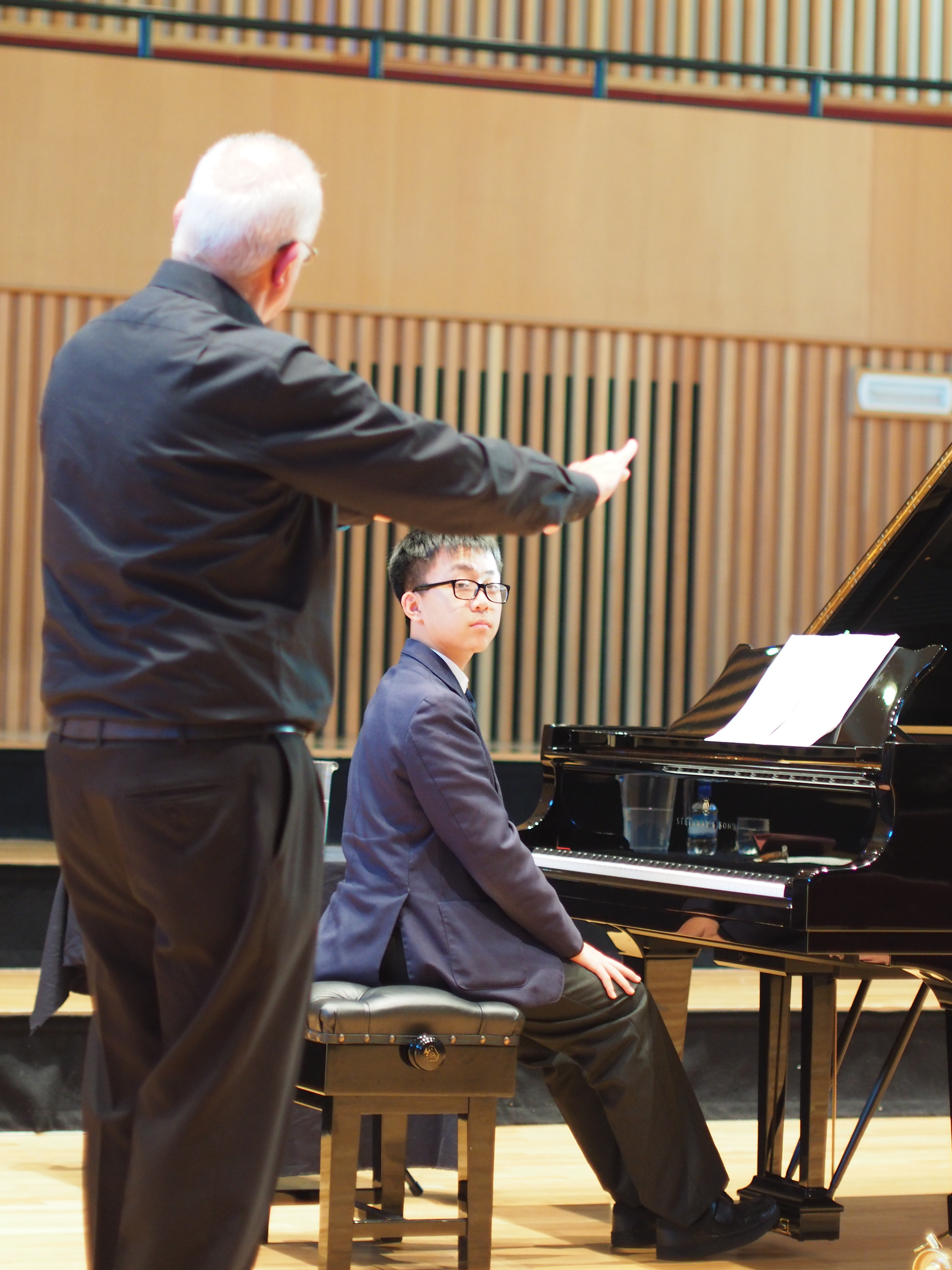
Martin Roscoe’s master-class

Martin Roscoe master-class at King Edward's School, Birmingham

King Edward’s and King Edward VI High School for Girls were honoured to welcome world-renowned classical pianist Martin Roscoe last Friday to give a master-class to select pianists from both schools, as well as treating us to a recital afterwards.

I think that both the lucky pianists as well as the audience watching would agree that Mr Roscoe’s attention to detail was formidable and his knowledge of the repertoire was vast: he had played all save one of the pieces that were performed!

With only one ten-minute break, he taught for three hours, offering helpful tips and guidance as well as wonderful suggestions to improve the pieces played before him.

The whole experience of a master-class by such a distinguished and remarkable pianist was one of incredible enthusiasm from Mr. Roscoe and inspiration for the performers.

Abhinav Jain (Divisions)

The performers and their repertoire:

Naomi Bazlov: Chopin – Nocturne op.72 no.1

Jeremy Ho: Ravel – Jeux d’eau

Mark Li: Beethoven – Sonata no.8 in C minor op.13 ‘Pathetique’

Bryan Chang: Debussy – L’isle joyeuse L.106

Michael Luo: Beethoven – Sonata no.25 in G major op.79 (i)

Aloysius Lip: Gershwin – no.2 from Three Preludes (1929)

Abhinav Jain: Schuman – ‘Aufschwung’ from Fantasiestücke op.12

Lauren Zhang: Ravel – ‘Scarbo’ from Gaspard de la Nuit

Adelaide Yue: Beethoven – Sonata no.17 in D minor op.31 no.2 ‘Tempest’z

This event was presented jointly with King Edward VI High School for Girls

Music at King Edward's School, Birmingham

CBSO principals play for the Shells of King Edward’s School.

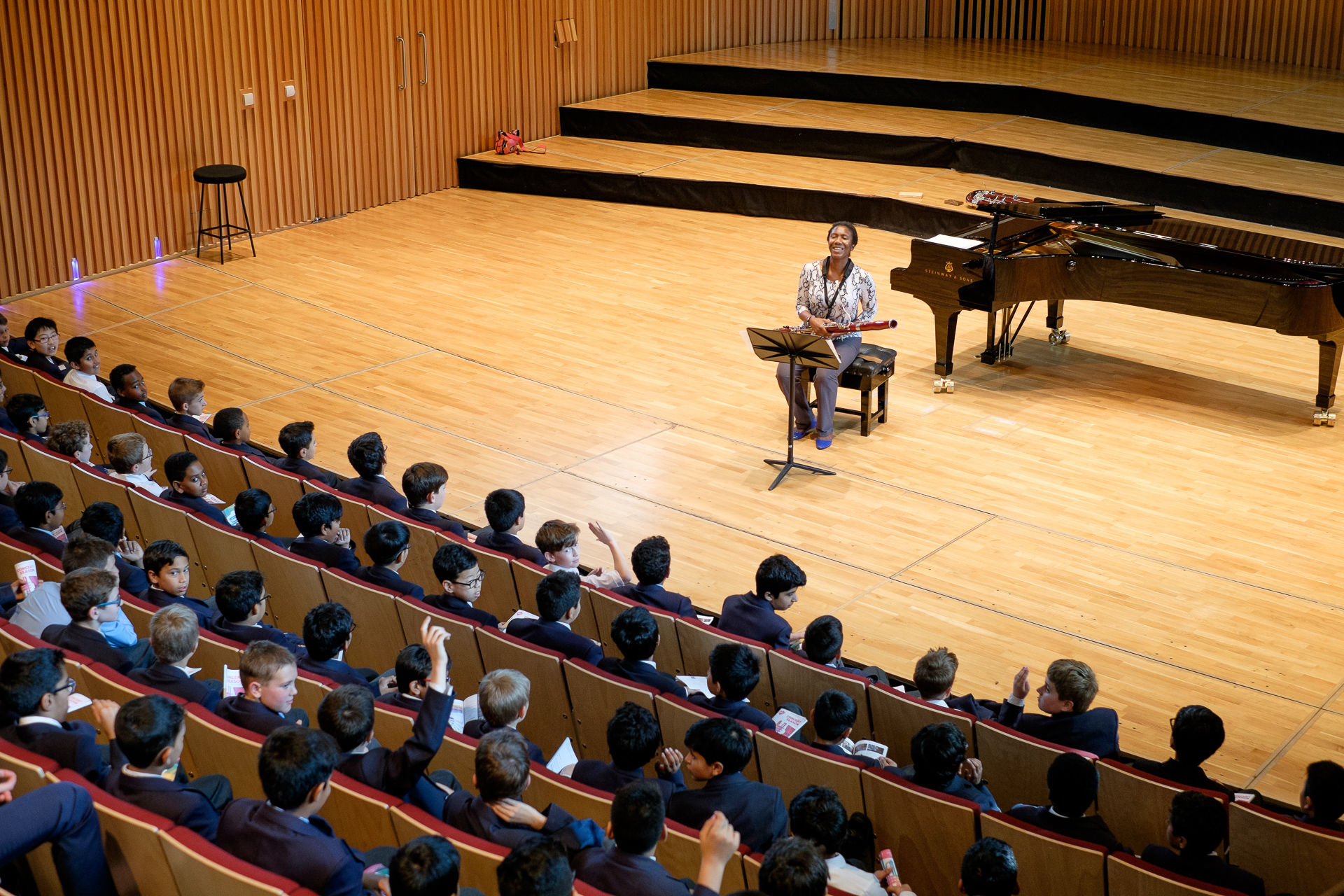
John Tattersdill, CBSO, plays to the boys of King Edward's School, Birmingham. Music Department.

dap_20151009_cbso_0004

Friday, 9 October 2015
Ruddock Performing Arts Centre

Margaret Cookhorn, bassoon and contra-bassoon
Elspeth Dutch, horn
John Tattersdill, double bass

On Friday the Shells experienced an afternoon of musical wonder from the CBSO. Three of the top performers visited the Ruddock Hall to bring the stage alive. First we heard from Mrs. Cookhorn on her bassoon and contra-bassoon. She demonstrated the variety of tones and the key features of both instruments. Next was Mrs. Dutch on the horn. Some of the boys had the opportunity to play the hosepipe horn. Finally was Mr. Tattersdill on his extremely big double-bass. He performed very well and willingly answered our numerous questions. It was a memorable day and we look forward to more of these performances in the future. We would like to thank the music department for organising this great event.

Tom Hao (Shell)

Music at King Edward's School, Birmingham

Leipzig Gewandhaus Orchestra, Maria João Pires, and Riccardo Chailly

Riccardo Chailly and the Leipzig Gewandhaus Orchestra, a trip offered by music at King Edward's School, Birmingham

Monday, 19 October at 1930
Symphony Hall, Birmingham

Leipzig Gewandhaus Orchestra
Maria João Pires (piano)
Riccardo Chailly (conductor)

Richard Strauss: Don Juan op.20
Wolfgang Amadeus Mozart: Concerto for Piano and Orchestra KV595
Richard Strauss: Ein Heldenleben op.40

A trip for the boys of King Edward’s School.

Music at King Edward's School, Birmingham

Performers’ Platform

Performer's platform at King Edward's School, Birmingham, presented by the music department.

Tuesday, 13 October at 1830
Ruddock Performing Arts Centre

Brandon Chao, piano
Enoch Cheung, violin
James Bell and Abhinav Jain, viola and piano
Naima Hamid, guitar
Jieyi Li, flute
Ivy Lau, violin
Michael Luo, piano
Lucas McCollum, drum kit
Nikki Nabavi, voice
Gabriel Wong, Eugene Toso, and Bryan Chang, piano trio

Works by Copland, Donizetti, Pete Riley, and Bruch; including Beethoven’s piano trio op.1 no.1.

Music at King Edward's School, Birmingham

This concert is presented jointly with King Edward VI High School for Girls

From Martin Roscoe’s master-class

Martin Roscoe master-class at King Edward's School, Birmingham

Martin Roscoe master-class at King Edward's School, Birmingham

Martin Roscoe master-class at King Edward's School, Birmingham


This event was presented jointly with King Edward VI High School for Girls

Music at King Edward's School, Birmingham

The Miss Margaret Davis Memorial Recital

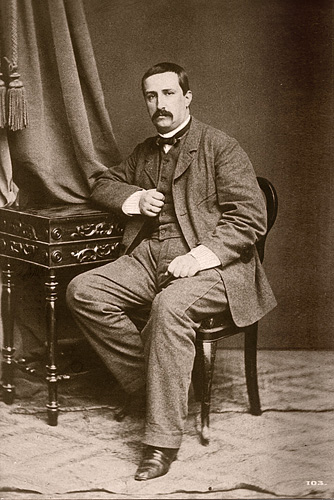
Alexander Borodin at King Edward's School, Birmingham

Thursday, 8 October at 1305
Ruddock Performing Arts Centre

Isla May Atay, flute
Daniel Yue, violin
Beth Zheng and Sophia Jin violins, Melissa Yao viola, Isabel Russell cello

works by Debussy, Martinů, Elgar, and Borodin

Music at King Edward's School, Birmingham

This recital is presented jointly with King Edward VI High School for Girls


King Edward’s School at the BBC Proms

King Edward's School Birmingham: National Youth Orchestra at the BBC Proms 2015

Mark Elder conducting the National Youth Orchestra.

King Edward’s School was again well represented at this year’s BBC Promenade Concerts. By clicking the following links, you can listen again to the performances.

Prom 4 — 19 July
Our woodwind tutor, Margaret Cookhorn, was the soloist in John Woolrich’s contra-bassoon concerto, Falling Down. Patrick Charles sang Beethoven’s Ninth Symphony as part of the CBSO Chorus. The concert was given by the City of Birmingham Symphony Orchestra, conducted by Andris Nelsons, his last as Music Director.
http://www.bbc.co.uk/events/e2m4fx

Prom 31 — 8 August
As part of the National Youth Orchestra, Philip Edwards performed Mahler and Davies. Mark Elder conducted.
http://www.bbc.co.uk/events/e8r2mb

Prom 75 – 11 September
As part of the Proms Youth Choir, Patrick Charles made his second appearance, this time with Sir Simon Rattle and the Vienna Philharmonic.
http://www.bbc.co.uk/events/expxj5#b068tvrq


Music at King Edward's School, Birmingham

Martin Roscoe at King Edward’s School

Martin Roscoe at King Edward's School, Birmingham, Music Department


Friday, 2 October at 1600 — master-class
Ruddock Performing Arts Centre

Martin Roscoe works with the pianists of King Edward’s and King Edward VI High School for Girls.

Friday, 2 October at 1900 — recital
Ruddock Performing Arts Centre

Joseph Haydn (1732-1809): Sonata in D Hob.XVI/37
Ernő Dohnányi (1877-1960): Pastorale (Hungarian Christmas Carol); Rhapsody no.3 in C op.11 no.3
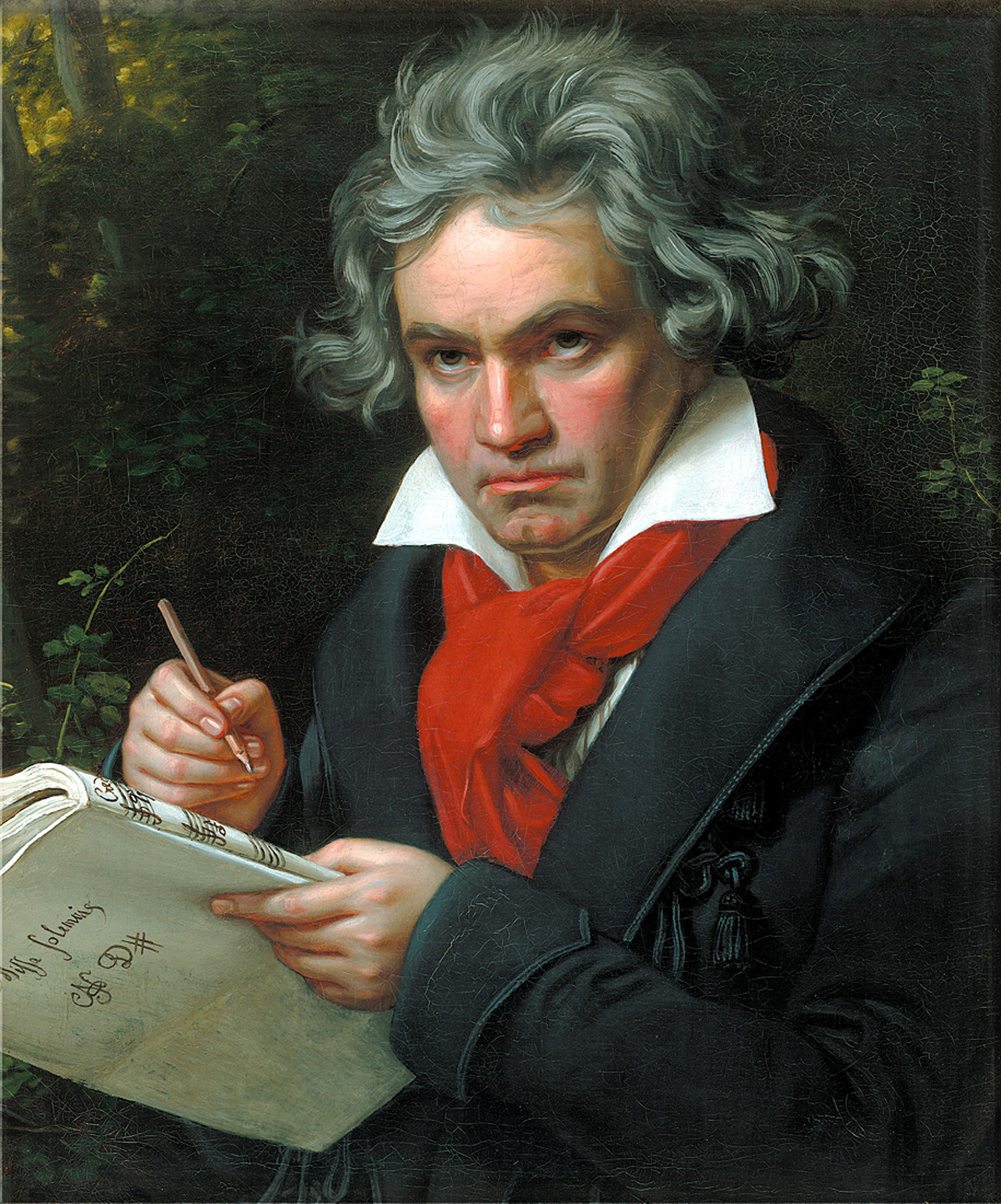
Ludwig van Beethoven (1770-1827): Sonata in A flat op.110

With an extraordinary career spanning over four decades, Martin Roscoe is unarguably one of the UK’s best loved pianists. Renowned for his versatility at the keyboard, Martin is equally at home in concerto, recital and chamber performances. In an ever more distinguished career, his enduring popularity and the respect in which he is universally held are built on a deeply thoughtful musicianship allied to an easy rapport with audiences and fellow musicians alike.

With a repertoire of over 100 concertos performed or recorded Martin works regularly with many of the UK’s leading orchestras, having especially close links with the BBC Philharmonic Orchestra, BBC National Orchestra of Wales, BBC Scottish Symphony Orchestra, Hallé, Manchester Camerata, Northern Chamber Orchestra and with the Royal Liverpool Philharmonic Orchestra, where he has had over ninety performances. Martin has worked with many eminent conductors, including performances with Sir Simon Rattle, Sir Mark Elder and Christoph von Dohnányi.

An equally prolific recitalist, Martin has also performed regularly across Europe, the Far East, Australasia and South Africa. His chamber music partnerships include long-standing associations with Peter Donohoe, Tasmin Little and the Endellion and Maggini Quartets as well as more recent collaborations with such artists as Jennifer Pike, Ashley Wass, Matthew Trusler and the Brodsky and Vertavo Quartets. One of his most important chamber music collaborations has developed in recent years: the Cropper Welsh Roscoe Trio. Together the trio have performed many times across the UK, most notably with several series of concerts at London’s Kings Place.

Recent and future engagements include appearances with the BBC Philharmonic Orchestra, Hallé, Royal Philharmonic Orchestra, Singapore Symphony Orchestra, BBC National Orchestra of Wales, BBC Scottish Symphony Orchestra and the Munich Symphony Orchestra, as well as recital performances at the Bridgewater Hall (where Martin is an Associate Artist), Kings Place, Musée d’Orsay, Wigmore Hall and Festival of the Sound, Parry. Martin is also Artistic Director of Ribble Valley International Piano Week, and Beverley Chamber Music Festival, and will succeed Kathy Stott as Artistic Director of the Manchester Chamber Music Society at the start of the 2014/15 season.

Having had over 500 broadcasts, including seven BBC Prom appearances, Martin is one of the most regularly played pianists on BBC Radio 3. Martin has also made many commercial recordings for labels such as Hyperion, Chandos and Naxos. He has recorded the complete piano music of Nielsen and Szymanowski, as well as four discs in the Hyperion Romantic Piano Concerto series. Martin is in the process of recording the complete Beethoven piano sonatas for the Deux-Elles label. The first three discs have been released to unanimous critical acclaim. The Independent described the sonatas as being “all delivered with Roscoe’s typically scrupulous attention to detail and emotional truth”. The second disc includes the Waldstein Sonata, and was proclaimed on BBC Radio 3 as “one of the truly great recordings of the Waldstein Sonata” … “perfect musical judgement and a formidable technique from Martin Roscoe”.

Teaching has always been an important part of Martin’s life and the development of young talent helps him to constantly re-examine and re-evaluate his own playing. He is currently a Professor of Piano at the Guildhall School of Music in London and has just been awarded his Fellowship there.

Martin lives in the beautiful English Lake District. Being in this wonderful place provides inspiration and relaxation, and also enables him to indulge his passions for the countryside and hill-walking.

You can read more at: www.martinroscoe.co.uk
This event is presented jointly with King Edward VI High School for Girls

Music at King Edward's School, Birmingham

Alfred Brendel and the Chief Master

Alfred Brendel at King Edward's School, Birmingham

Alfred Brendel and John Claughton, Chief Master of King Edward’s School.

John Claughton, Chief Master, said: “It was a rare privilege for all of us to welcome one of the world’s greatest musicians to the school and it was an unforgettable occasion both for those who have listened to Brendel play throughout their lives and for pupils whose musical careers are beginning. He spoke about the nature of music and art with a wisdom born of a lifetime’s dedication.

“This school has a great tradition in music, producing exceptional players through a 90-strong Symphony Orchestra, providing nearly 20 different musical groups and a choir of 150 boys. So, to hear such a man in the beautiful surroundings of the Ruddock Hall was an unforgettable moment for all of us.”

Music at King Edward's School, Birmingham


Five-star review in the Birmingham Post

Alfred Brendel at King Edward’s School.

He may have retired from the concert platform but Alfred Brendel remains a consummately communicative performer.

On Tuesday the pianist held 500 listeners in the palm of his hand as he delivered what was the fifth Tolkien Lecture in the magnificent Ruddock Hall within King Edward VI School’s remarkable new performing arts building.

Introducing his distinguished guest, Chief Master John Claughton revealed that KES Old Boy J.R.R.Tolkien in fact came from a family of piano manufacturers – a neat link as Brendel launched into a talk derived from his own masterly book, A Pianist’s A to Z.

Speaking from a lifetime of experience, Brendel addressed so many aspects of the performer’s art – how to balance intellect and emotion, how to observe the way vocalists and conductors cultivate and phrase singing lines (in other words the importance of a “cantabile tone – playing out of the instrument’s keys, not hitting out at them), and, perhaps most strikingly, how a pianist should take composition lessons from a good teacher in order fully to appreciate considerations of structure, notation and general cohesion.

Brendel’s talk was peppered with anecdotes and jokes, often mischievous, and always tellingly pertinent. He also included recorded examples from pianists he particularly admired (“on a good day, when the wind was blowing in the right direction for them”) – Edwin Fischer in Bach, Alfred Cortot in Chopin, and offerings by Schumann and Haydn where he didn’t identify the performer; modestly, perhaps they were from himself.

And his facial expressions during the Haydn extract illustrating humour in music were almost as eloquent as had been his fingers during the many decades when his playing spoke so much to us all.

Christopher Morley
24 September, 2015

Music at King Edward's School, Birmingham

Tomorrow: Alfred Brendel at King Edward’s School

Alfred Brendel’s Tolkien lecture is tomorrow at 1830 in the Ruddock Hall of the Ruddock Performing Arts Centre at King Edward’s School.

A final video, then, to celebrate this great man, and to whet your appetite. This is one of Mozart’s most powerful piano sonatas (his KV457), in a glorious performance:


Music at King Edward's School, Birmingham