King Edward's Music

Music at King Edward's School, Birmingham

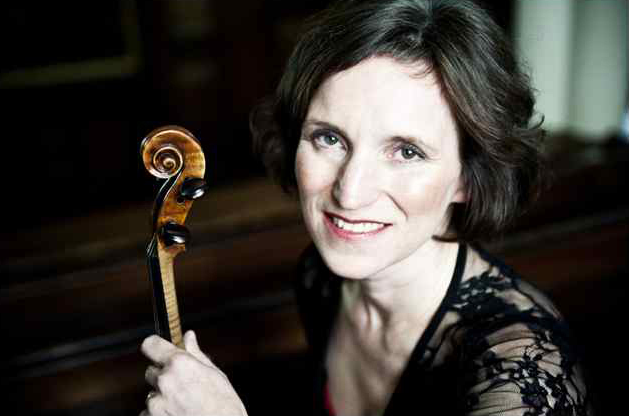
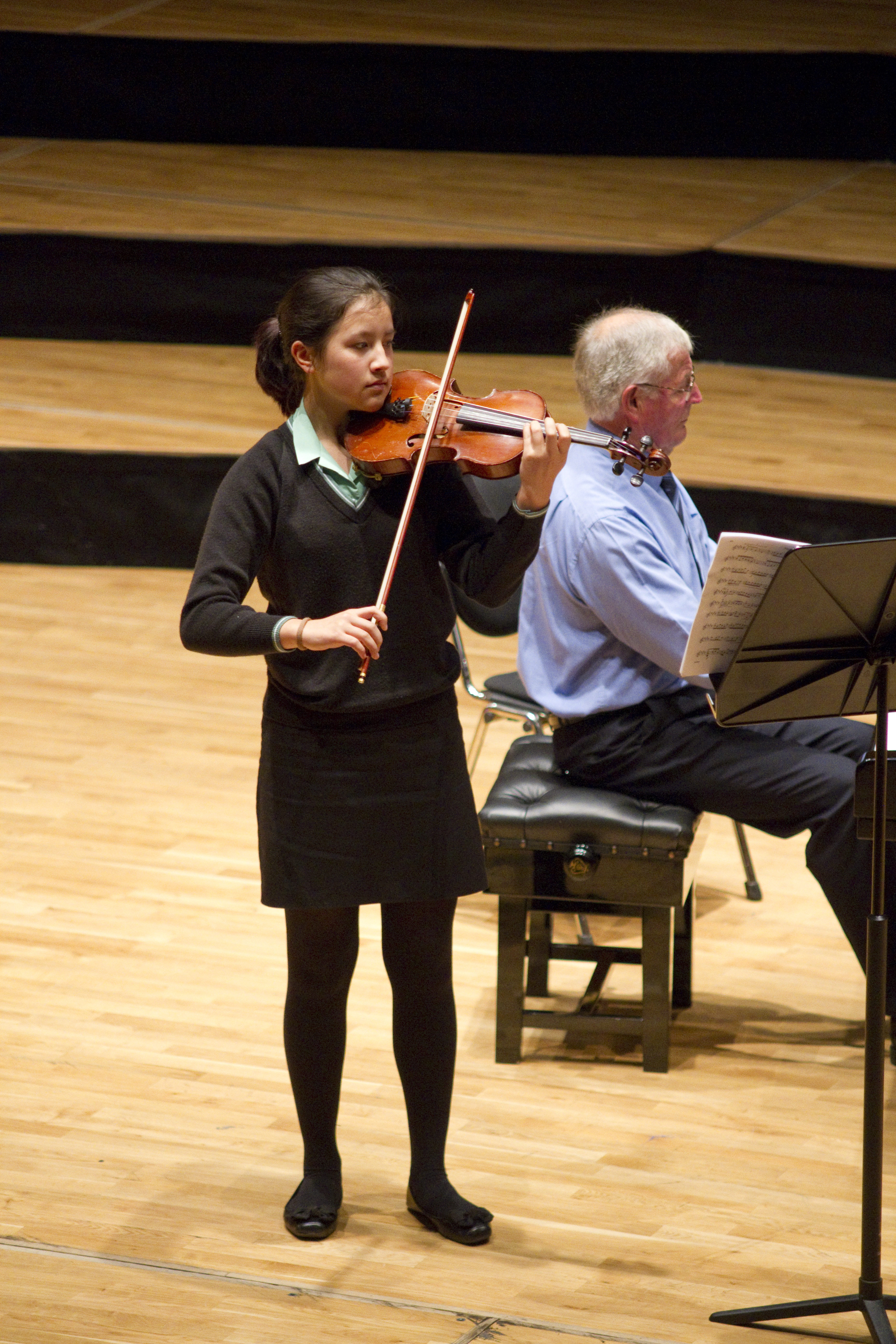
Masterclass with Krysia Osostowicz

Krysia Osostowicz at King Edward's School, Music Department

Krysia Osostowicz

A splendid opportunity for the string players of King Edward’s School and King Edward VI High School for Girls: Krysia Osostowicz, one of the finest players and teachers of her generation, gives a masterclass.

The class will take place on Wednesday, 15 January, between 1030 and 1600 in the Ruddock Hall; all are welcome to attend some or part of the day. Below, Krysia’s biography:


Krysia Osostowicz enjoys a busy career as a chamber musician, soloist and teacher. In 1995 she founded the Dante String Quartet which is recognised as one of Britain’s finest ensembles, winning a Royal Philharmonic Society Award in 2007.

Born in London of Polish descent, Krysia studied at the Yehudi Menuhin School, at Cambridge University and in Salzburg with Sandor Vegh.  She has made a series of award-winning recordings for Hyperion, including sonatas by Bartok, Brahms and Ravel, and the string quartets of Debussy, Sibelius, Smetana and Kodaly.

Krysia teaches at the Guildhall School of Music and Drama and has given masterclasses in the UK, France and Spain. She is artistic director of the thriving Dante Summer Festival in the Tamar Valley (www.dantefestival.org) in the West of England.  In 2015 she will play all of Beethoven’s Violin Sonatas, plus ten newly commissioned companion pieces, with pianist Daniel Tong at Kings Place and elsewhere in the UK: details on www.beethovenplus.com.


Music at King Edward's School, Birmingham

The masterclass is presented jointly with King Edward VI High School for Girls

From the Carol Service

King Edward's School, music department, KES Choir, Carol Service (1)

King Edward's School, music department, KES Choir, Carol Service (2)


 Our thanks to Mr. Boardman for the photographs.

Music at King Edward's School, Birmingham

Eight Strings and Other Nonsense

The Anatomy, History and Family Tree of the Mandolin

“The sound of the mandolin is a very curious sound because it’s cheerful and melancholy at the same time, and I think it comes from that shadow string, the double strings.”

Rita Dove, US Poet Laureate
 

Music at King Edward's School, Birmingham: Neapolitan mandolin

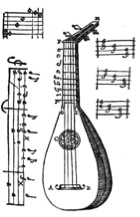
The mandolin is a fretted, eight-stringed, double-coursed instrument, with pairs of steel strings, each pair tuned to the same note, GDAE. It is descended from the mandore (right), a four to six string lute-like instrument, which rather intriguingly only had single-coursed strings. The first “true” mandolins appeared during the early 18th century in Italy. These early mandolins were primarily owned by travelling musicians, hence their popularity spread rapidly through Europe. They would have been bowlbacked, meaning that the body was shaped much like a pear sliced in half vertically. This design would eventually become known as the well-known Neapolitan mandolin (below).

Music at King Edward's School, Birmingham: mandolin

In the early part of its life, the mandolin was primarily a classical instrument. Beethoven wrote for and played mandolin, and Mozart composed for it. Before either of these men Vivaldi wrote a mandolin concerto. After the dawn of the 19th century, the mandolin began to lose popularity in the world of classical music and became a predominantly folk instrument. It was thanks to the Estudiantes Españoles (Spanish Students), a mandolin group popular across Europe andthe US that the mandolin came back into fashion around the turn of the 20th century. It was not uncommon for a family of people to own a family of mandolins and play them after dinner in the same way we would watch Saturday night television now.

At this point, it is probably worth explaining what these other members of the mandolin family are. You may have noticed that the word mandolin is a contraction of mandore and violin, and you would be right! It is of course the same size and shape as the former, and the same pitch as the latter. As you might expect then, there is therefore a mandola, a mandocello and a mandobass, all sharing the same tunings as their violin family counterparts. Whilst in terms of size, it would be easy to confuse a mandola for its little brother, the mandocello is naturally more substantial, with a scale length of around 28 inches. The mandobass is a more obscure instrument, and owing to its rarity especially in recent years, our definition of it is somewhat looser. Today it can refer to a single- or double-coursed instrument, pitched either like a traditional double bass or two octaves below a mandolin.

The main member of the mandolin family which does not share its pitching with violin equivalent is the octave mandolin. It is pitched an octave below the normal mandolin as the name suggests. It was invented to fill in the pitch gap between the mandola and mandocello, and is particularly common in Irish music. Over its lifetime, however, it has changed and developed considerably, and the main contributor to this change has been the introduction of the bouzouki.

During the 1950s, there was an influx of Greek immigrants to Ireland, and with them came their musical culture. The Greek bouzouki was similar to the octave mandolin in that it shared the same GDAE pitch, but one of the strings in each pair in the bottom two courses is tuned an octave above. It also had a smaller, bowlback body and a longer scale length. Over the following few years, the line between the two instruments blurred, ending with the development of the Irish bouzouki. This variant maintained the scale length and octave strings of its namesake, whilst using the traditionally Irish flatter-teardrop body shape, resulting in a fusion of timbres. Despite this, however, the original name of octave mandolin is still very widely used, generally referring to shorter scale length models.

In modern times, the mandolin has in many ways regained its previous folk connotations. It features heavily in the bluegrass and blues music of America, as well as the native styles of many other countries across the globe. In addition to this, however, it also maintains a presence within the popular music scene. Since the rise ofMusic at King Edward's School, Birmingham: Mandocaster the Fender Mandocaster electric mandolin (right) during the 1960s and the increasing popularity of folk rock, mandolins have been used fairly frequently in certain major bands, such as Muse (alternative rock), System of a Down (avant-garde metal), Imagine Dragons (indie rock), Green Day (pop punk) and most famously, Led Zeppelin (classic heavy metal). Sadly, the other members of the mandolin family only really feature in music with strong folk roots.

In conclusion, over the three hundred years of its life, the mandolin has featured in almost every style of music in the Western tradition, and in many others beyond. Its popularity has ebbed and flowed, yet never died out, and I would say that this is proof of its greatness. I would also like to suggest that we are currently in a “mando-flow”, thanks to the work of musicians such as Mumford and Sons, and who knows, perhaps twenty years down the line we will see the next Ed Sheeran clutching a mandocello rather than a guitar…

Tom Iszatt, Divisions


Music at King Edward's School, Birmingham

Eight Strings and Other Nonsense — videos


Music at King Edward's School, Birmingham

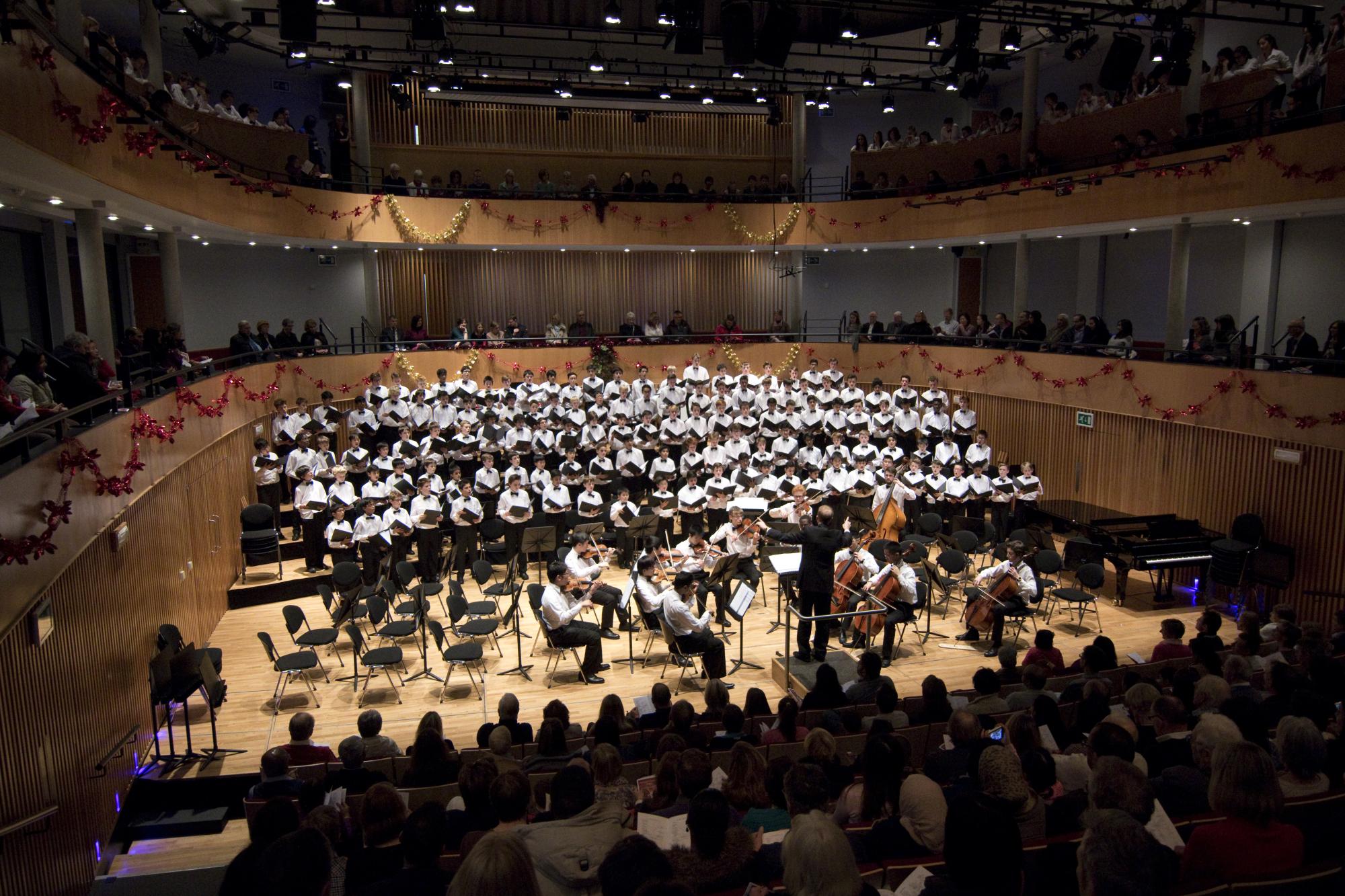
From the Christmas Concerts

King Edward's School, Birmingham, Choir


King Edward's School, Birmingham, Symphony Orchestra

 Our thanks to Mr. Boardman for the photographs.

Music at King Edward's School, Birmingham

KES Carol Service


King Edward's School, Birmingham, Carol Service

Thursday, 11 December at 1930
St. Philip’s Cathedral

Sung by KES Choir and instrumental ensemble.

Music at King Edward's School, Birmingham

Christmas Concert


King Edward's School, Christmas Concerts

Monday,  8 December at 1930
Ruddock Performing Arts Centre

The programme includes performances given by:

Senior Swing Band
Concert Band
Concert Orchestra
KEHS Lower School Choir
KES/KEHS Symphony Orchestra

This concert is now sold out.

Music at King Edward's School, Birmingham

The concert is presented jointly with King Edward VI High School for Girls


Christmas Concert


King Edward's School, Christmas Concerts

Sunday,  7 December at 1930
Ruddock Performing Arts Centre

The programme includes performances given by:

KES Choir
Junior Swing Band
Concert Band
KEHS Chamber Choir
KES/KEHS Symphony Orchestra

This concert is now sold out.

Music at King Edward's School, Birmingham

The concert is presented jointly with King Edward VI High School for Girls


Christmas Concert


King Edward's School, Christmas Concerts

Sunday,  7 December at 1500
Ruddock Performing Arts Centre

The programme includes performances given by:

Choral Society
Wind Band
Senior Swing Band
KEHS Chamber Choir
KES/KEHS Symphony Orchestra

This concert is now sold out.

Music at King Edward's School, Birmingham

The concert is presented jointly with King Edward VI High School for Girls


Lunchtime Recital

Mozart at King Edward's School Music Department

Thursday, 4 December at 1305
Ruddock Performing Arts Centre

Adelaide Yue, piano
Arpan Sharma, violin

works by Mozart, Brahms, Dvořák, Elgar, and Vieuxtemps

Music at King Edward's School, Birmingham

This recital is presented jointly with King Edward VI High School for Girls


Margaret Cookhorn and the KES/KEHS Symphony Orchestra

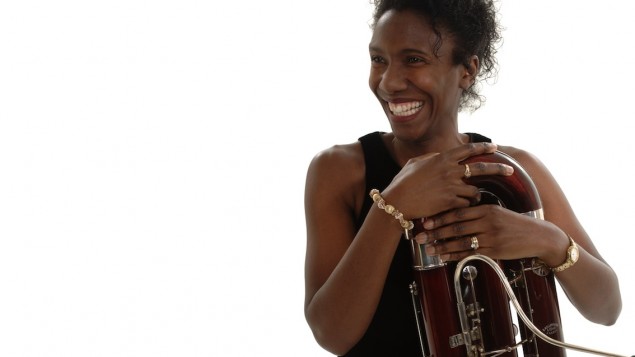
Margaret Cookhorn masterclass for King Edward's School Music Department

Margaret Cookhorn

On Thursday, 20 November, the woodwind of KES/KEHS Symphony Orchestra worked with CBSO principal contrabassoonist, Margaret Cookhorn.  Also a member of BCMG, Margaret is one of the leading national exponents of the instrument, both in ensembles and as a concerto soloist. She also plays the heckelphone.

As part of the ensemble’s preparations for the Christmas Concerts, this was an invaluable opportunity.

Music at King Edward's School, Birmingham

From the Lunchtime Recital

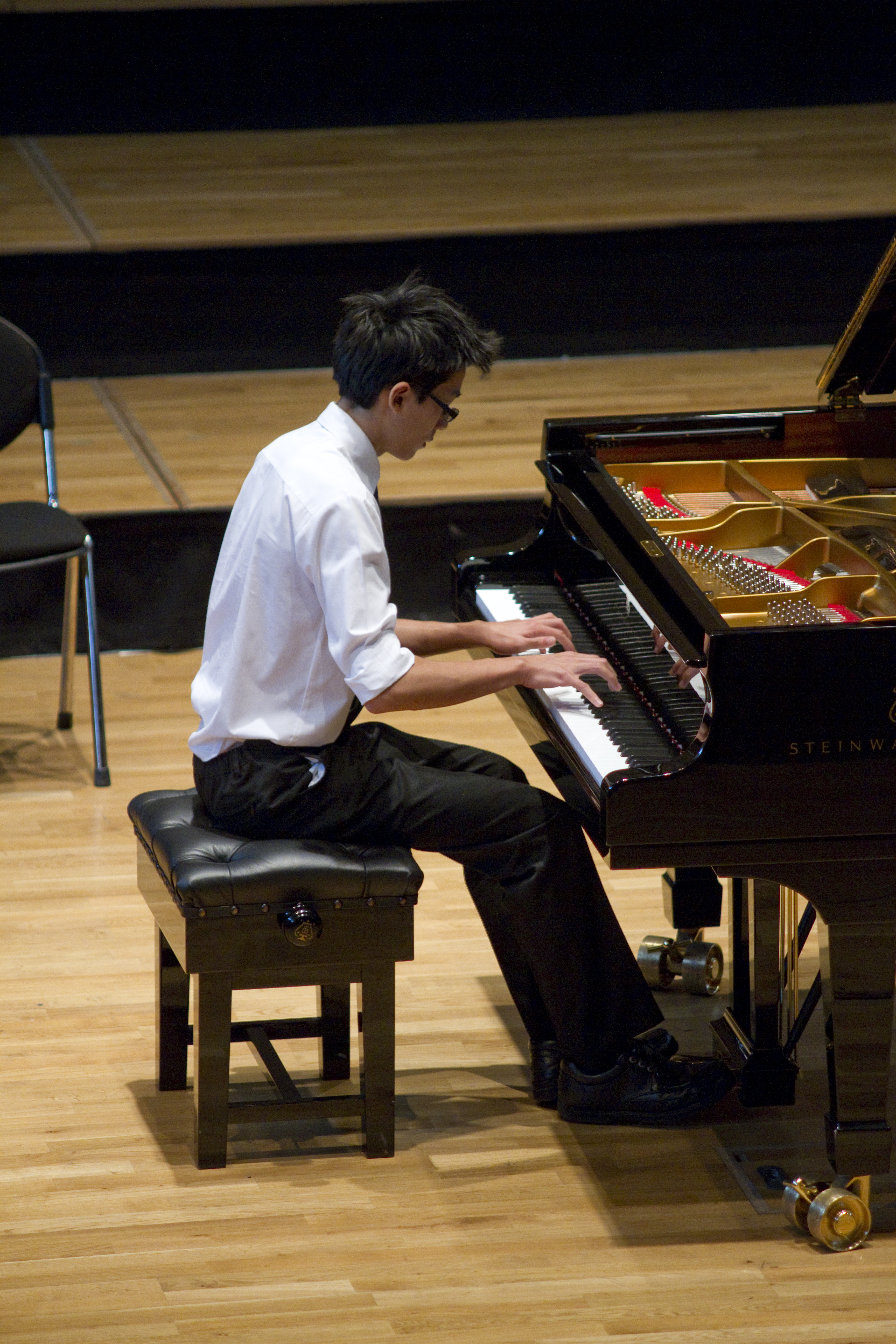
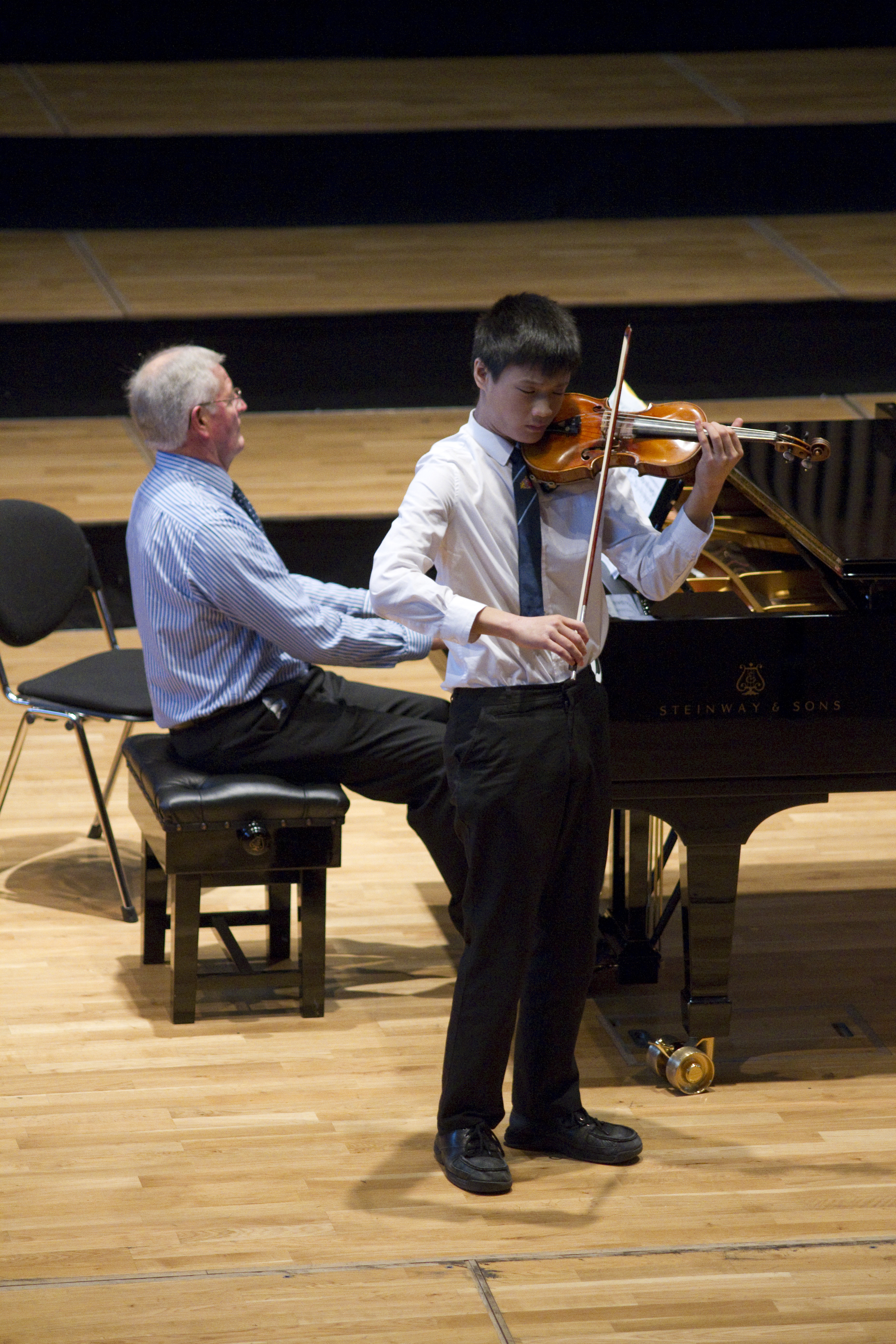
King Edward's School Music: lunchtime recitalKing Edward's School, Birmingham, Music: lunchtime recitalKing Edward's School Music: lunchtime recital


 Our thanks to Mr. Boardman for the photographs.

Music at King Edward's School, Birmingham

From the Barber-Institute Recital

King Edward's School Music: recital at the Barber Institute King Edward's School Music: recital at the Barber Institute King Edward's School Music: recital at the Barber Institute


 Our thanks to Mr. Boardman for the photographs.

Music at King Edward's School, Birmingham

Lunchtime Recital

King Edward's School Music Department: Brahms

Thursday, 20 November at 1305
Ruddock Performing Arts Centre

Aloysius Lip, piano
Alex Pett, trumpet
Daniel Yue, violin

works by Rachmaninov, Chopin, Kapustin, Purcell, Peeters, Abreu, Brahms, and Wieniawski

Music at King Edward's School, Birmingham

This recital is presented jointly with King Edward VI High School for Girls


Performers’ Platform

Guilmant at King Edward's School

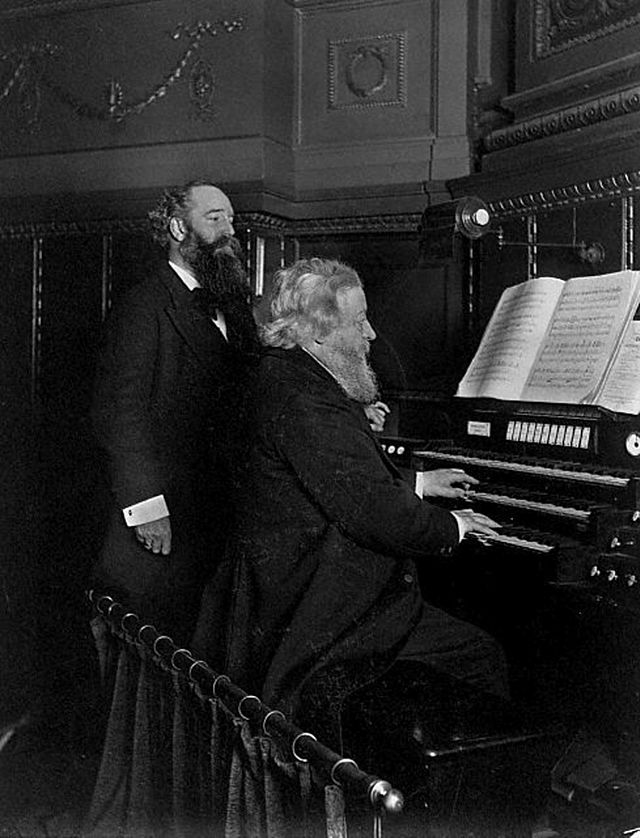
Félix-Alexandre Guilmant (1837-1911), seated


Tuesday, 18 November at 1830
Ruddock Performing Arts Centre

Renee Chang, violin
Richard Chapman, trombone
Enoch Cheung, violin
Nathan Cornish, trombone
Mark Li, piano
Ghani Madadi, euphonium
Nikki Nabavi, voice
Junbo Shim, piano
Gabriel Wong, violin
Melissa Yao, piano


Music at King Edward's School, Birmingham

This concert is presented jointly with King Edward VI High School for Girls

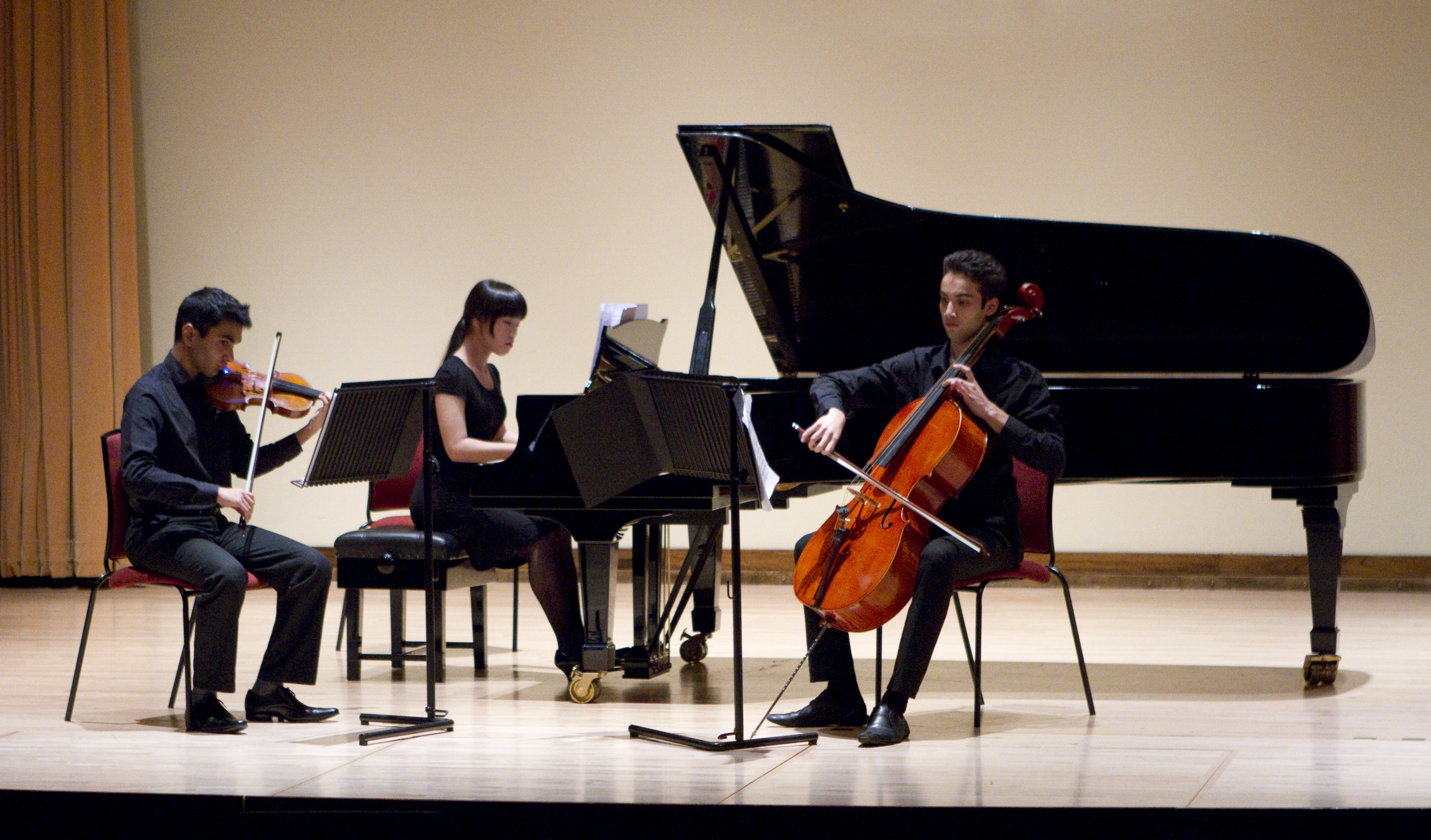
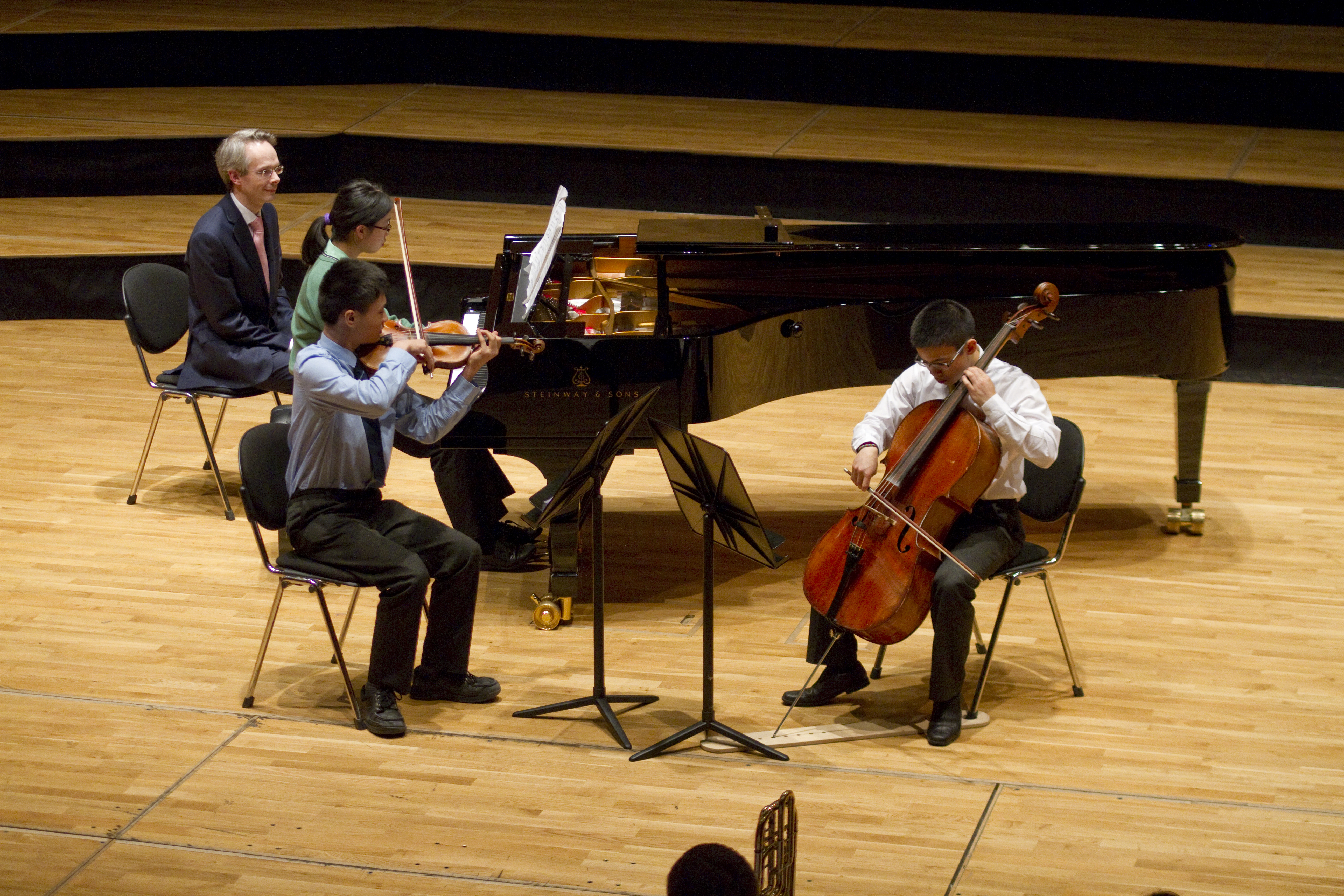
Chamber Music at the Performers’ Platform


Chamber Music at King Edward's School, Birmingham
Chamber music at King Edward's School, Birmingham


Our thanks to Mr. Boardman for the photographs.

A video of the trio’s performance is posted here.

Music at King Edward's School, Birmingham