King Edward's Music

Music at King Edward's School, Birmingham

Brahms’s 4th: doubts, decisions, documents: a lecture by Professor Robert Pascall

Professor Robert Pascall at King Edward's School, Birmingham (KES), music department

Tuesday, 23 February at 1620
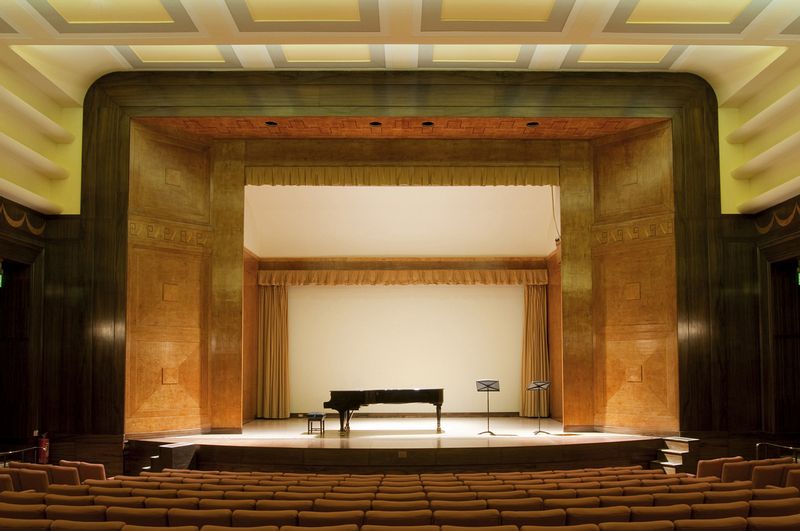
Ruddock Performing Arts Centre

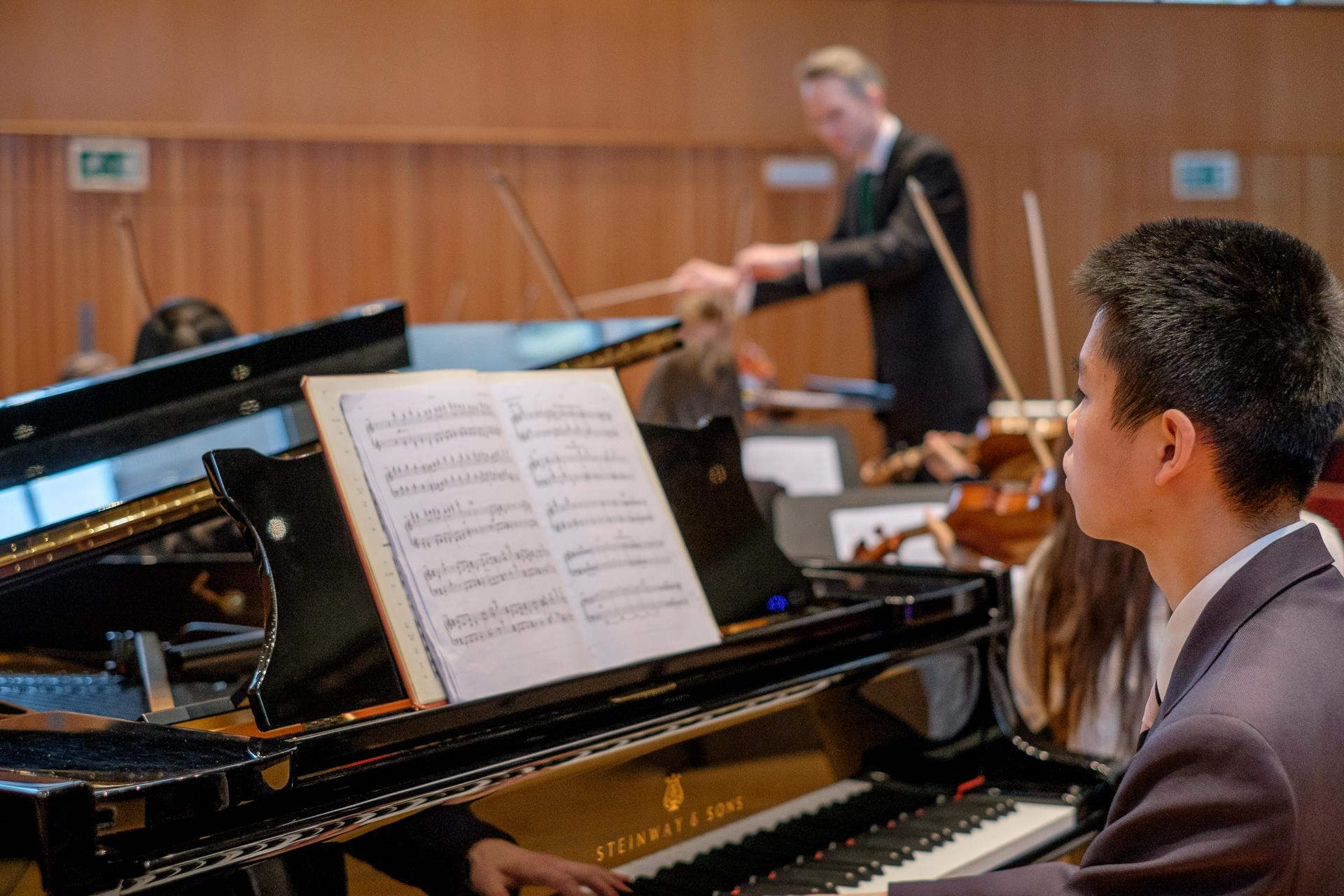
KES/KEHS Symphony Orchestra will be performing Brahms’s Fourth Symphony on March 6 and March 7. As part of its preparations, we have invited leading Brahms scholar Professor Robert Pascall to speak at King Edward’s School. His title is ‘Brahms’s 4th: doubts, decisions, documents’, and he will talk about his edition of the symphony, the works genesis, and its performance.

This is a public event to which all are invited. The lecture will last for 45 minutes, followed by the opportunity to ask questions; there is no need to book tickets.

Robert Pascall

Robert Pascall (born Colwyn Bay, 1944) studied music with John Caldwell, Egon Wellesz and Sir Jack Westrup at Oxford, where he was organ scholar of Keble College (1962-5). He took his DPhil with the thesis Formal Principles in the Music of Brahms (1973), and this composer has formed the central focus of his research activities ever since. 1968-98 he taught at the University of Nottingham, for the last ten of those years as Professor and Head of Music, taking up the same position at Bangor University in 1998 and retiring in 2005. He is now Emeritus Professor at Nottingham and at Bangor. In 2005-7 he held a Leverhulme Emeritus Fellowship.

As analyst he has contributed to the literature on genre, influence and perceptual pertinence, and published analyses of works by Beethoven, Brahms, Schoenberg and Franz Schmidt, among others. He was a member of the founding committee of the Journal Music Analysis and acted as Chair of its Editorial Board 1989-2002. He has taught Schenkerian, Schoenbergian and semiotic analysis, the first of these in collaboration with Ian Bent at Nottingham.

In the 1980s his text-critical work on Brahms’s music emphasized the need for a new complete edition, founded in 1991 as the Johannes Brahms Gesamtausgabe, on which he works as vice-chair and as editor. His editions of the symphonies, including Brahms’s own arrangements of them for one or two pianos, four hands, appeared in seven volumes between 1996 and 2013. He is currently working on editions of Brahms’s concert arrangements of Bach Cantatas, which has involved the development of a new philological practice.

At the instigation of Sir Roger Norrington in 1989, he pioneered musicological research into historically-informed performance practice of the music of Brahms, since when he has published studies and advised conductors and soloists. In 1978 he founded the International Conference on 19th-century Music; in 1983 he was appointed Corresponding Director of the American Brahms Society; 1986-91 he served on the Council of the Royal Musical Association, of which he was made an Honorary Member in 2009. He believes in useful and joined-up musicology.


Music at King Edward's School, Birmingham

Lunchtime Recital

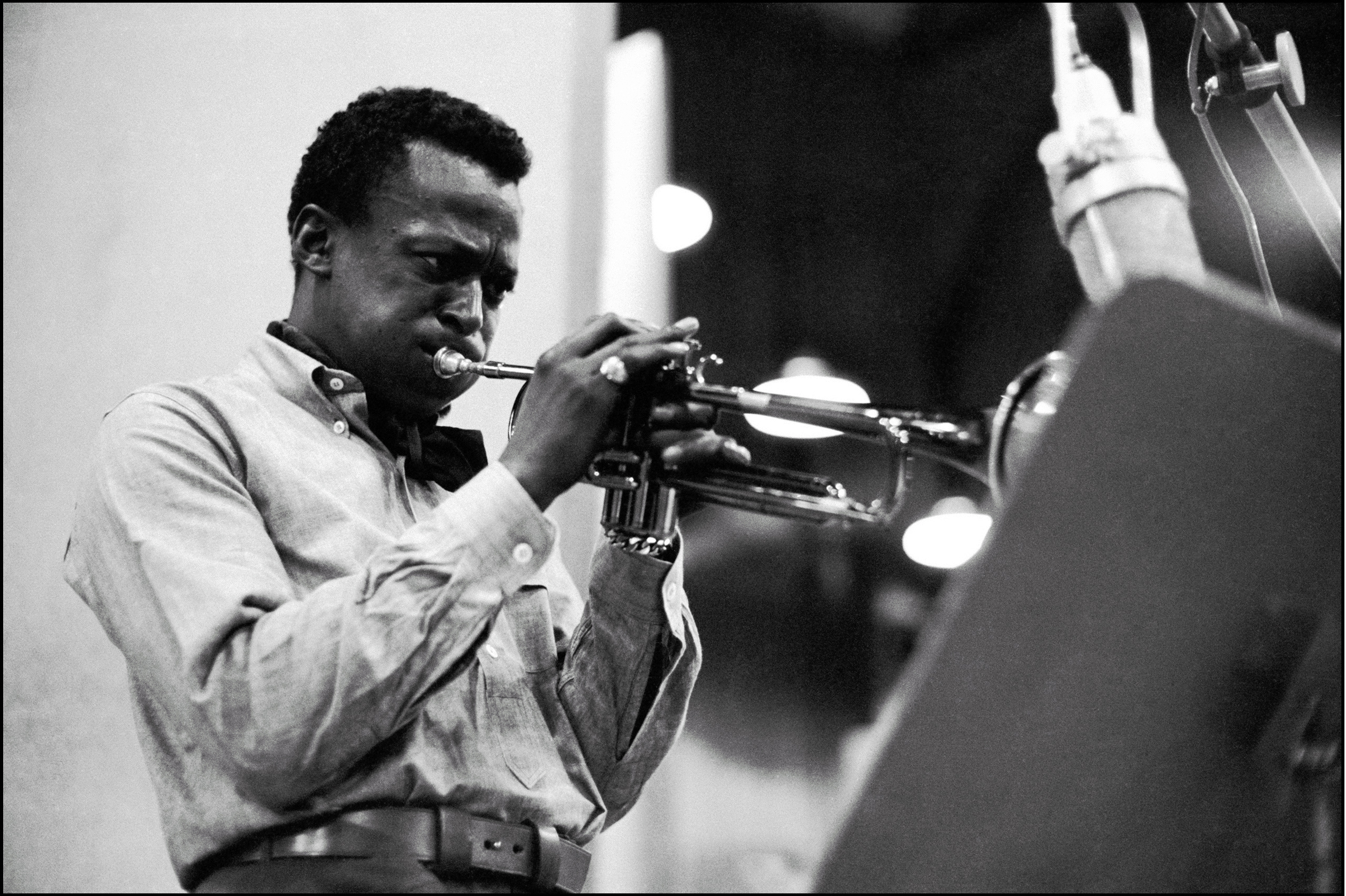
miles-davis

Thursday, 11 February at 1305
Ruddock Performing Arts Centre

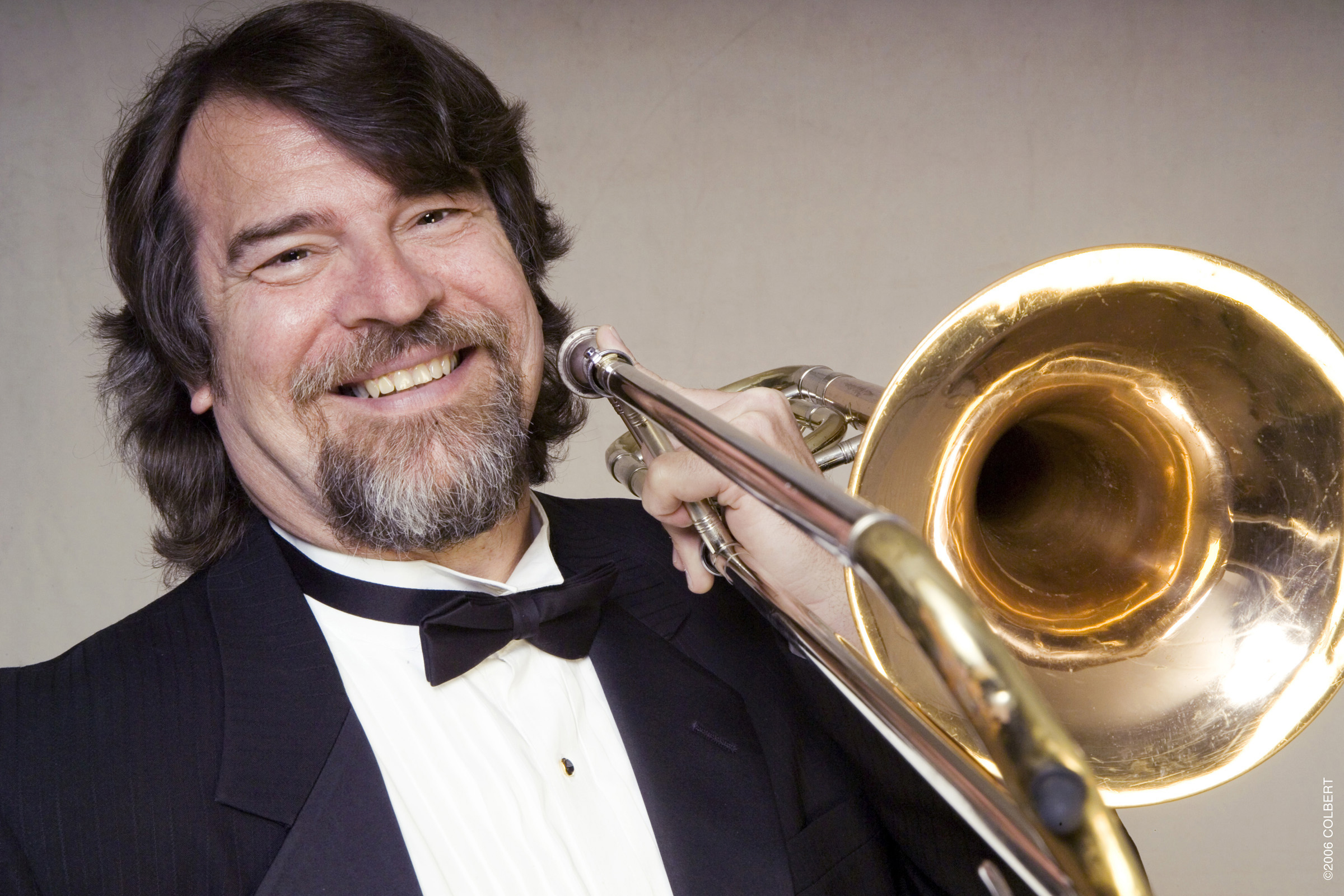
Richard Chapman, trombone
Sophia Jin, voice
Matt Madden, saxophone

Works by Eric Cook, Purcell, Jonathan Dove, Charlie Parker, and Miles Davis.

Music at King Edward's School, Birmingham

This recital is presented jointly with King Edward VI High School for Girls


Performers’ Platform

Music at King Edward's School, Birmingham: Mozart oboe quartet in recital

Tuesday, 9 February at 1830
Ruddock Performing Arts Centre

Melissa Yuan, Arun Ramanathan, Rosy Heneghan, and Sunny Long (string quartet)
Jieyi Li, Charlotte Chapman, Brandon Chao, and Margaret Cookhorn (wind quartet)
Adriana lo Polito, Alice Beardmore, Melissa Yao, and Isabel Russell (oboe quartet)
Peter Murphy, clarinet
Zoe Newman, voice
Melissa Yao, violin
Bryan Chang, piano

Quartets by Haydn and Jacob, works by Lutosławski, Schumann, Beethoven, and Mozart’s oboe quartet KV370.

Music at King Edward's School, Birmingham

This concert is presented jointly with King Edward VI High School for Girls

Lunchtime Recital

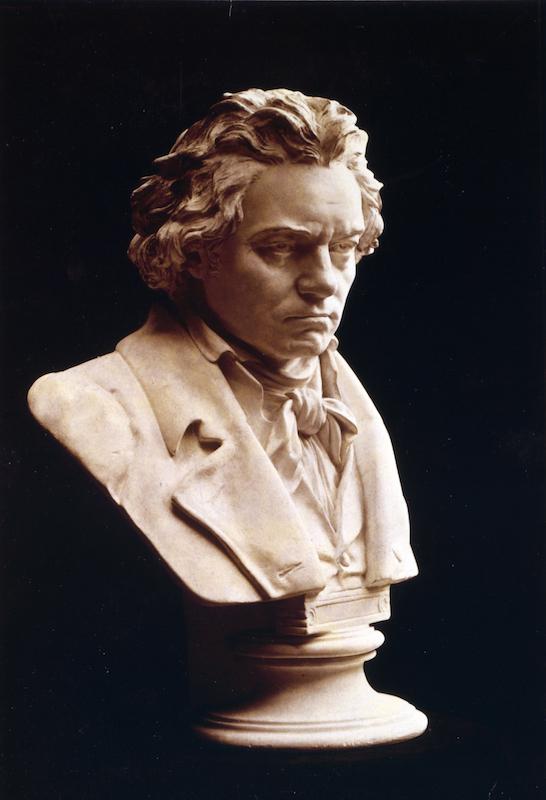
Music at King Edward's School, Birmingham -- Beethoven in lunchtime recital

Thursday, 4 February at 1305
Ruddock Performing Arts Centre

Elizabeth Bellshaw, violin
Alex Pett, trumpet
Jiin Youn, violin
Beth Zheng, violin

Programme to include works by Bach, Bruch, Morley, and Dancla, and Beethoven’s ‘Spring’ sonata (op.24)

Music at King Edward's School, Birmingham

This recital is presented jointly with King Edward VI High School for Girls


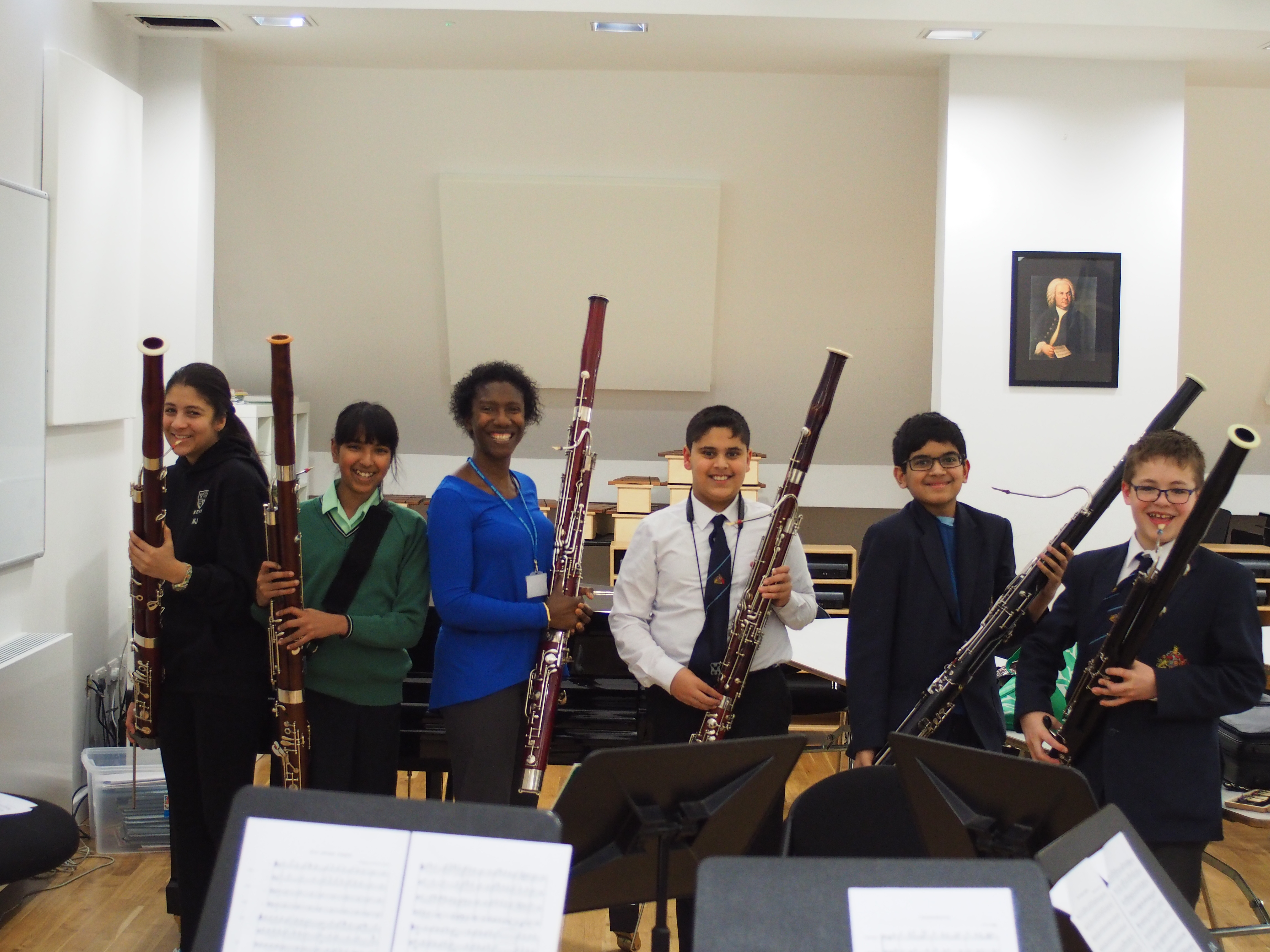
The bassoonists work with Margaret Cookhorn

Music at King Edward's School, Birmingham -- our bassoonists work with Margaret Cookhorn

On Thursday last week some of the young bassoonists of King Edward’s School and of King Edward VI High School for Girls had the opportunity to work with Margaret Cookhorn. Mrs. Cookhorn, principal contra-bassoonist of CBSO and recent soloist at the BBC Proms, shared some of her tricks and secrets, and the group played together as a bassoon choir.

Music at King Edward's School, Birmingham


Concert party

King Edward's School, Birmingham, concert party

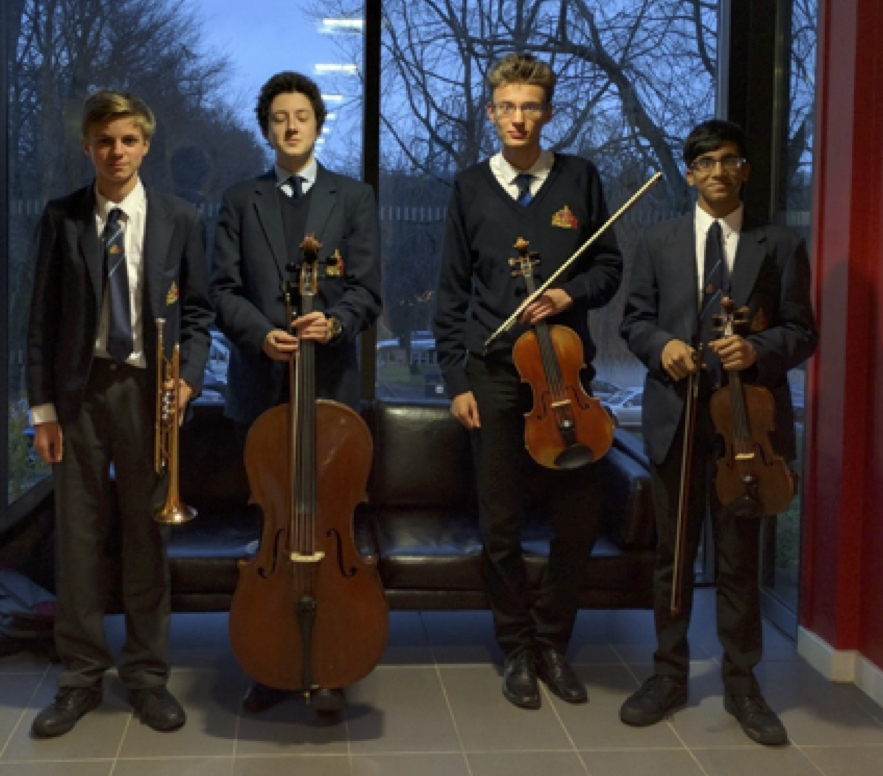
“Concert Party” is the new outreach program that takes some of the best musicians from this school to primary schools with children not as exposed to music or privileged in their musical lives, in order for them to give a short concert. This concert will include one piece of chamber music (a string trio), one trumpet solo and at least one sting solo as well as going through some of the differences between the instruments, their limits and what they are used for. This is led by the ever energetic and enthusiastic Dr. Leigh.

For the most part of the first term we as a group have been practising on Friday afternoons however we have started now to go out to schools. Despite transport issues (fitting 5 of us with a cello into a taxi can be quite taxing, not to mention finishing late and missing the booked taxi) all of us feel like we are using the skills we have been taught to give back to the community. The feedback we have been given has been positive and hopefully we can inspire many more children to take up musical instruments.

David Millross (Divisions)

You can read more about King Edward’s Outreach at www.kes.org.uk/outreach.html


Music at King Edward's School, Birmingham

Lunchtime Recital

King Edward's School, Birmingham, music -- Chris Brubeck

Thursday, 14 January at 1305
Ruddock Performing Arts Centre

Alice Beardmore, violin
Thomas Iszatt, bass trombone
Abhinav Jain, piano

Programme to include works by Bartók, Sarasate, Gershwin, Chopin, Mendelssohn, and the ‘Prague Concerto’ for bass trombone by Chris Brubeck.

Music at King Edward's School, Birmingham

This recital is presented jointly with King Edward VI High School for Girls


Players from the CBSO record the Fifths’ string quartets.

Music Department at King Edward's School, Birmingham: recording compositions with the CBSO

Coaching the CBSO?

There was a cold snap to the air that brisk Sunday morning as ten drowsy boys trudged into school from each corner of Birmingham, the sound of their alarms still piercing their skulls. You ask; why were they in school on a Sunday? What could have possibly coerced them into doing such a thing? These are both valid albeit contrived questions as there are very few circumstances which involve lazy adolescents leaving the house on what is, after all, a day of rest.

However, this particular morning elicited no such signs of reluctance, as each and every member of the group had arrived to realise their true calling – to spread the sweet, dulcet tones of serial music, which in case you don’t know, is music that is designed to, well, sound bad…

Hmm, perhaps I should explain this in a little more detail.

     ‘Serial music is that which does not follow a scale or conventional harmony. Rather, it is a combination of different primes, retrogrades, inversion and retrograde-inversions of a chosen line of dissonant notes. I know right.’

Okay, okay. So maybe these school boys were initially somewhat sceptical about composition in such a genre. After all, they had never before listened to let alone composed serial music of any description, and although I would like to say that these minute reservations had vanished once the creative juices started flowing, the truth is that they stuck around until today when the nervous pupils found themselves holding their pristine scores with trepidation.

Music at King Edward's School, Birmingham: recording with the CBSO

The author looks on, a picture of trepidation.

Perhaps part of this apprehension stemmed not only from the fact that these performances counted towards the final GCSE grade, but also from the weight of the occasion; alas, if seeing Dr. Leigh with his top two, yes two, buttons undone was not already enough make these boys uneasy, then they were in for a treat as today, playing their serial compositions, was the highly esteemed string quartet form none other than the City of Birmingham Symphony Orchestra! *Cue fanfare*.

The ensemble was comprised of the revered likes of Lena Zeliszwska at first violin, Zhiko Georgiev at second violin, Mike Jenkinson on the viola and Richard Jenkinson on the cello. We were spoiled with their prowess, which made proceedings run smoothly even when some of the students’ limited knowledge of dynamics became blindingly obvious *cough, cough*.

Music at King Edward's School, Birmingham: recording with the CBSO

The CBSO quartet.

As we progressed through pieces such as ‘Shi No Numa’, ‘Seriaously Bad’ and ‘Why?’ the general consensus amongst the composers began to change from “Grrr, Sunday” to one of a much more positive nature; it was as if real-life string instruments didn’t sound like saxophones as they did on Sibelius; as if this wasn’t all part of one of Dr Leigh’s evil plots! By the end of the session, we’d had great fun listening to some exquisite pieces, played in a manner both unforgettable and professional, and all in time for Sunday lunch.

Miles McCollum, Fifths

Music at King Edward's School, Birmingham

Lunchtime Recital

Music at King Edward's School Birmingham: Brahms's Piano Quartet op.25

Thursday, 3 December at 1305
Ruddock Performing Arts Centre

Jedidiah Cheung, violin
Isabel Russell, ‘cello
Philip Edwards, violin; Melisssa Yao, viola; Eugene Toso, ‘cello; Naomi Bazlov, piano

Programme to include works by Bruch, Fauré, Squire, and the first movement of Brahms’s Piano Quartet op.25.

Music at King Edward's School, Birmingham

This recital is presented jointly with King Edward VI High School for Girls


From the Lunchtime Recital

Music at King Edward's School Birmingham: a performance of Appalachian Spring by Aaron Copland

Music at King Edward's School Birmingham: a performance of Appalachian Spring by Aaron Copland

Music at King Edward's School Birmingham: a performance of Appalachian Spring by Aaron Copland

Our thanks to Mr. Ash for these photographs.

Music at King Edward's School, Birmingham

This recital is presented jointly with King Edward VI High School for Girls


To Leipzig with Birmingham Cathedral Choir

King Edward's School, Birmingham, Music Department

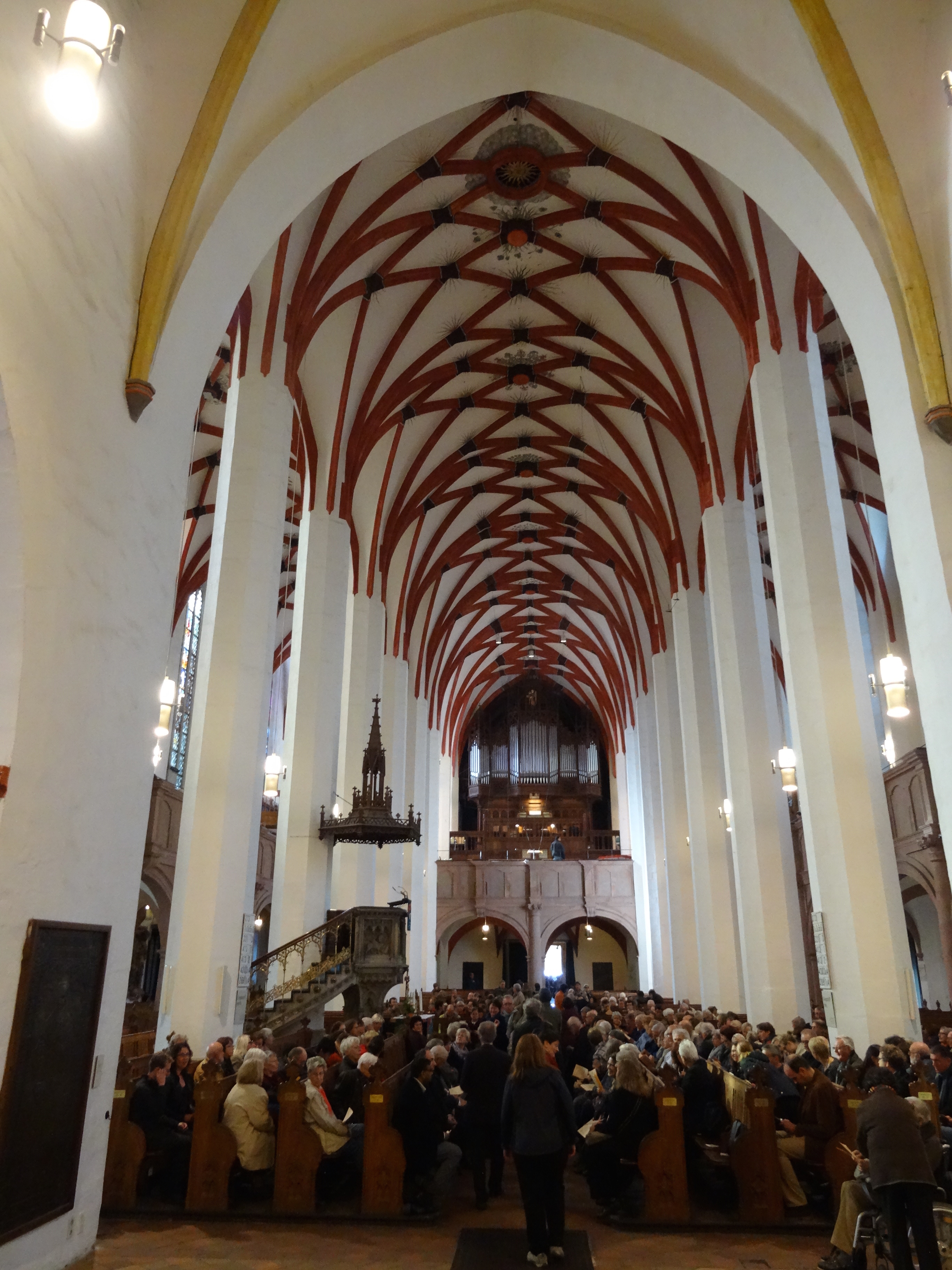
The Thomaskirche in Leipzig.

1. The Adventure begins!

As our 52 brave explorers checked in at the airport, they knew there was no going back.

Five of these were in the charge of their chaperone Andrew Thompson (nicknamed ‘His Majesty’). These individuals were called Ocean, Joshua, Yuhan, Remi and Christopher. After they had survived security, they all set out on the flight. Several books and a phone were what many of them had to survive on. After more security in Germany the group was free to embark on the final flight until they landed in Leipzig.

The first big task after the coach journey was to sort out who had which bed. This proved to be easier for some. Many ran into the room and sorted it out by who sat on which bed first.

2. Thomaskirche

After the first night, three of our heroes, Joshua, Ocean and Christopher had their hunger satiated by the ample food at the breakfast buffet. Our 52 voyagers were separated because half of them had filled up a tram and the others were left behind. The courageous leaders, Andrew and Canon Janet safely led the stragglers to the Thomaskirche (St. Thomas’s Church) where they would sing. The Thomaskirche was the church where Bach was the organist for nearly 30 years!

Two practices and one lunch were enjoyed until the big moment. The first performance on the tour began… it was thrilling although somewhat nerve-racking. The amazing acoustics were startling to our choir as they have recently become used to echoes being dampened by scaffolding at Birmingham Cathedral. The acoustics especially enhanced the Bairstow Anthem called ‘Let All Mortal Flesh Keep Silence’. After the first few pieces the choristers settled down and found that the hour and a bit seemed to last a much shorter period than Sunday evensong! The 650 people they performed to had queued up for the concert 45 minutes, and some people were turned away because the church was full.

3. Thomaskirche again

Sunday was to be the last day of formal choral activities. The Choristers sang a truly beautiful piece called ‘If ye love me’ by Thomas Tallis. They also sang the hymn by Bach, ‘Ach Mein Gott Himmel Sieh Darein’ that contained many complicated German words. The morning service contained a good opportunity for those that had a disturbed night to sleep as possibly the longest sermon ever took place there-what’s more, in German!

4. Naumburg

After the service, they were free to roam in the hotel until they went to Naumburg Cathedral. People used this opportunity in different ways. Possible activities included, chatting, reading, sleeping, watching a film about Colditz, playing cards etc. The clock was ticking away minutes like seconds, and the 2 or 3-hour break seemed to only take 20 – 30 minutes. Still, an hour coach journey was an opportunity seized by those in possession of a DS (which is an electronic device that you can play games on).

Many of the choristers were pleased as the Naumburg concert had the Hallelujah Chorus on the schedule! A quick tour around the site revealed many interesting facts about it.

The concert was raising money for refugees and in the audience was some people that had come from Afghanistan and, because people are not allowed to sing there, they had never heard singing and were blown away by the experience! Conceivably, the most challenging thing that the choristers had to do on the whole trip was to eat the whole of the main course at a nearby restaurant. It consisted of lots of pork in the form of steaks and dumplings. This challenge, many of them failed dismally.

5. Off to prison

As the title suggests, the travelling people got put inside the four walls of Colditz. During the second world war, Colditz was used camp for unco-operative soldiers who had a habit of being good escape artists. The guide told some entertaining stories of escape attempts and devices used to help them escape, such as a puppet and a glider fixed together with porridge! As a group, the tourists all enjoyed the visit very much.

6. The Final Day.

Sadly, Tuesday was the final day of the tour. This day, however, was the day of the Bach museum, something that many had been anticipating for a while. The Bach museum contained several original manuscripts of his pieces! There was an exhibition of his organ with all of the stops and pedals and an exhibition of Baroque instruments. Such as the Bassono Grosso (A bassoon), the theorbo (a type of Baroque guitar) and the lute (similar to the theorbo but smaller). There were several computers with the full works of Bach to search through at leisure and listen to via headphones which definitely made it a massive highlight for most.

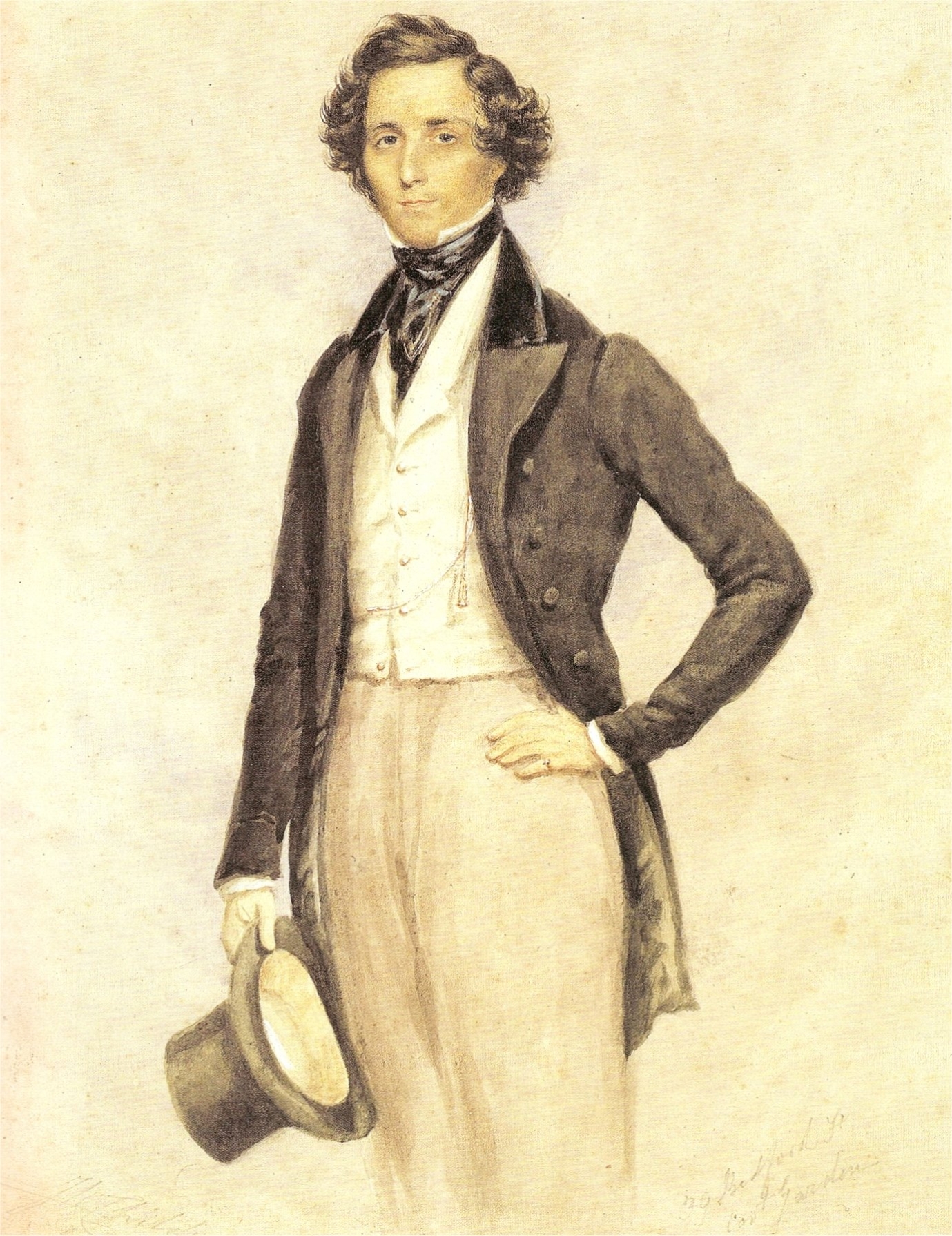
The final experience was a delicious lunch at the Panorama Tower restaurant, 29 floors up! The group sang former Leipzig resident Felix Mendelssohn’s Kyrie Eleison much to the enjoyment of our Leipzig hosts. Thanks to the Birmingham city council for arranging this as Birmingham and Leipzig are twinned.

The 52 adventurers then made their way back to the airport. The five heroes were very tired but thrilled by their exploits in Leipzig.

Thanks a lot to Andrew for giving them a right royal time!

Christopher Churcher (Shell)

Music at King Edward's School, Birmingham

Lunchtime Recital

Music at King Edward's School, Birmingham, Aaron Copland's Appalachian Spring

Thursday, 19 November at 1305
Ruddock Performing Arts Centre

Luciano Berio (1925-2003): Opus Number Zoo
Aaron Copland (1900-90): Appalachian Spring (original version)

Isla May Atay, flute
Adriana lo Polito, oboe
Peter Murphy, clarinet
Philippa Kent, horn
Margaret Cookhorn, bassoon


Music at King Edward's School, Birmingham

This recital is presented jointly with King Edward VI High School for Girls


Performers’ Platform

Schumann at King Edward's School music department, Birmingham
Monday, 16 November at 1830
Ruddock Performing Arts Centre

Shirom Aggarwal, saxophone
Renee Chang, violin
Charlotte Chapman, oboe
Rosy Heneghan, viola
Edward Hodge, clarinet
Mark Li, piano
Eugene Toso, ‘cello
Hendrik Vogt, clarinet
Ivy Lau, Zoe Yap, Junias Wong, Beatrice Beardmore

including works by Weber, Fauré, Coletti, Schumann, and Haydn

Music at King Edward's School, Birmingham

This concert is presented jointly with King Edward VI High School for Girls

On tour with the National Youth Orchestra

Music department at King Edward's School, Birmingham

Sir Mark Elder and the author

To say the concert tour I just went on with the National Youth Orchestra was amazing would be an understatement. We performed at 4 different venues in 2 countries: Snape Maltings concert hall in Aldeburgh on the beautiful Suffolk marshes; a greatly resonant Symphony Hall in Birmingham; at the prestigious BBC Proms in the Royal Albert Hall in London; and finally at the impressive Konzerthaus in Berlin as part of a European youth music festival rather like the Proms.

Today I will tell you about the last two concerts. The story begins in Birmingham, right after our successful concert in a well-occupied Symphony Hall. We climb onboard coaches to London, and arrive around half past midnight at the Imperial College accommodation, me not realising just how near the Albert Hall was! As it turns out, the next morning, after a long lie in, it is our (temporary) next door neighbour. We practise our programme intensively, not because we need to improve it, solely in order to adjust to the slightly cathedral-like acoustic and make sure the balance of strings and winds is tuned. The BBC also ask us to play certain parts so they can practise filming us for the concert.

Our programme for this third course of the year is no simple affair; we are playing our own new commission by ex-BBC Young Composer of the Year, Tansy Davies, called “Re-greening” (about the entry of spring), and finally, the gargantuan, momentous Ninth Symphony by Mahler, whose meaning is still a hot topic of discussion among knowledgeable music scholars. A good programme is nothing without a great conductor, but we have a true master of the orchestra conducting us: Sir Mark Elder. His eye for detail and broad knowledge and interpretation of the Mahler significantly contributed to our huge success.

The two pieces in our programme are, on face value, fundamentally different: the Mahler is conducted and has a more rigid style, while the Tansy Davies is led by various parts of the orchestra and has a freer style. However, having played and practised both for many, many hours, it becomes clear just how the pieces unite, almost subconsciously. The length of the Mahler (almost one-and-a-half hours) lends itself to there being more meanings and stories within it that are each more subtly revealed, but the Tansy Davies, for its length, crams in a lot of material too, even including singing by orchestra members while they are playing.

Back to the Albert Hall and the fruits of our two-week-long labour are paying off for the third time. Although the concert is not only being filmed for showing next week, but is also being broadcast live on the radio, the seven concerts that all 165 of us have already played together this year bind us together into a mass of confident musicians. The Tansy Davies, seeing its London premiere, is greatly appreciated by the enthusiastic audience of our sold out concert. The composer joins us on the stage to take a bow, and shortly afterwards, we start the Mahler. But not without a sustained length of silence beforehand, to set the atmosphere for a piece that some say documents Mahler’s forecast of his death (which he had little medical warning about), and others say is about his thankfulness for what he had had in his life until this point, as a sort of “farewell” for his inevitable eventual death.

The symphony has four movements: the first is the longest, at over 25 minutes long, and is unusually slow for a first movement; the next is a typical, relaxed German country waltz, perhaps alluding to Mahler’s rustic beginnings; meanwhile, right at the start of the score for the third, Mahler dedicates it to “my brothers in Apollo”, which many take as a jab against Austrian music critics who doubted his ability to write contrapuntally, hence a complex movement unfolds; finally, after over a tiring hour of music, Mahler asks the orchestra to bring up yet more energy, though this time more in intensity than sheer volume, for the deathly last movement, which references his own Kindertotenlieder (Songs on the death of children).

After we finish the last dying chord, there is silence in the hall, for a full 15 seconds. A standing ovation ensues.

The next morning, we leave bright and early to catch our flight to Berlin (most of which is occupied by us!), though not without a long wait for checking in all of us. When we arrive, the heat stifles us, as it is already nearly 30°C, but worse is to come! After arriving at our centrally located hostel, we amble through the historic city’s streets, and already that evening witness a lot of history. On the day of the concert, we have the morning off again to visit the city, but the sweltering 36°C heat prevents us from seeing too much, so we mainly stay in coffee shops, drinking cold drinks. In the afternoon, we have our final rehearsal of the year, with all of us loving the ideal acoustic of the Konzerthaus; as Sir Mark puts it, why can’t London have a hall like this, with such a great acoustic?

The concert here goes very well, in fact, so well that some people clap straight after the end of the last movement, before holding silence, this time for nearly 30 seconds. Finally, the audience claps for 10 minutes solid, and there is not a single person not standing in the auditorium.

We are all reduced to tears. 9 concerts over 8 months: it is incredibly emotional for us all. We say our goodbyes onstage as soon as the audience leaves, because a number of people are leaving the course now to meet their parents in Berlin, and to explore the city further.

The rest of us retreat to our cool hostel. Over breakfast the next morning we say our parting farewells (as we are split up from hereon), and leave for the airport. Upon arriving back in London, we wish each other the best of luck, hoping to meet again in the following year and we congratulate each other a final time for our extensive accomplishments.

Philip Edwards (Fifths)

You can read more about the National Youth Orchestra by visiting their website.

Music at King Edward's School, Birmingham

Recital at the Barber Institute

King Edward's School music department at the Barber Institute

Friday, 13 November at 1310
Barber Institute of Fine Arts

Adelaide Yue, piano
Philip Edwards, violin; Naomi Bazlov, piano
Daniel Yue, violin; Conrad Yap, ‘cello; Lauren Zhang, piano

works by Beethoven, Prokofiev, Kreisler, Bloch, and Schubert’s Piano Trio in B flat, op. 99 

Music at King Edward's School, Birmingham

This recital is presented jointly with King Edward VI High School for Girls

You can read more about this concert at barber.org.uk

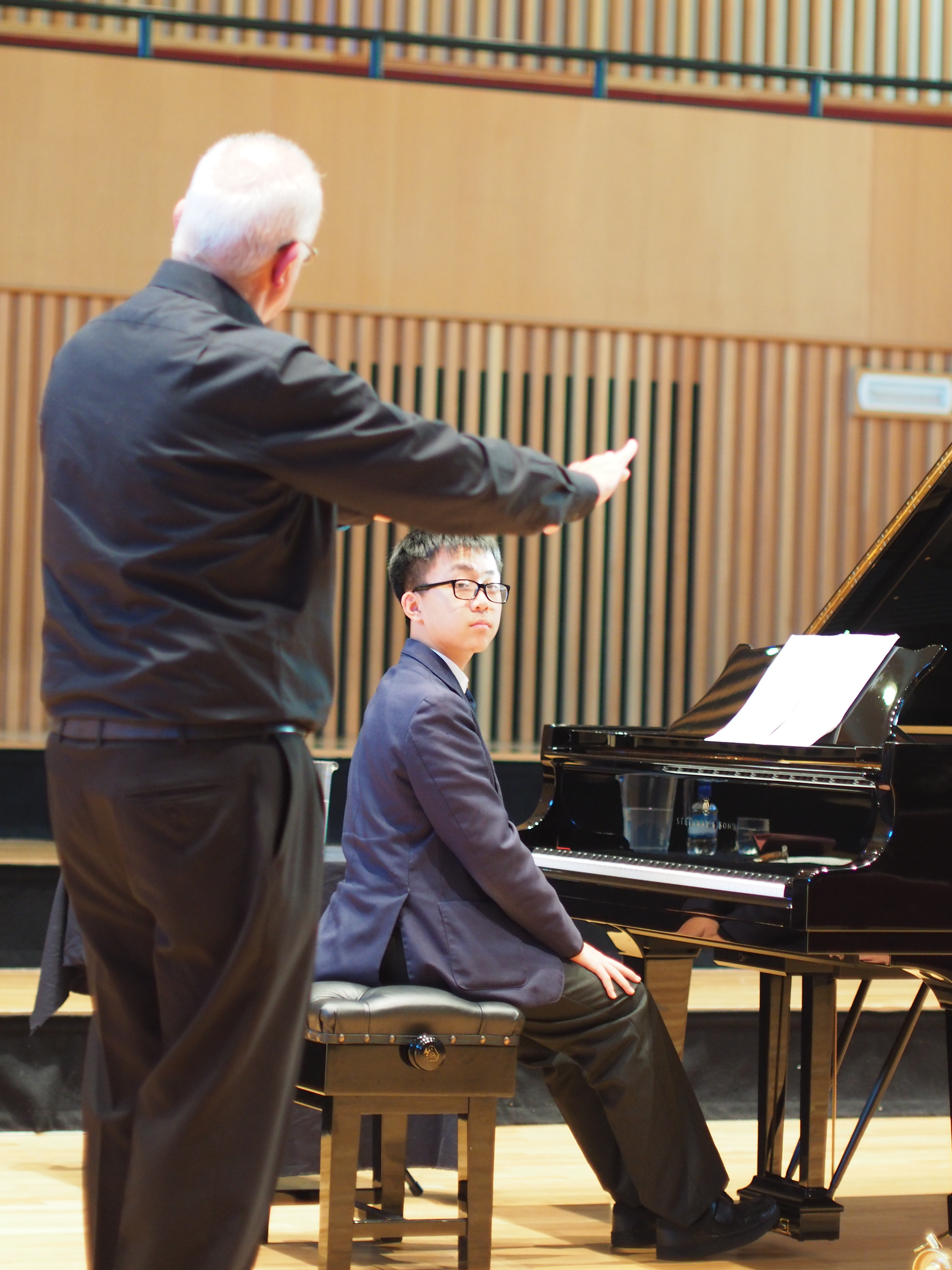
Martin Roscoe’s master-class

Martin Roscoe master-class at King Edward's School, Birmingham

King Edward’s and King Edward VI High School for Girls were honoured to welcome world-renowned classical pianist Martin Roscoe last Friday to give a master-class to select pianists from both schools, as well as treating us to a recital afterwards.

I think that both the lucky pianists as well as the audience watching would agree that Mr Roscoe’s attention to detail was formidable and his knowledge of the repertoire was vast: he had played all save one of the pieces that were performed!

With only one ten-minute break, he taught for three hours, offering helpful tips and guidance as well as wonderful suggestions to improve the pieces played before him.

The whole experience of a master-class by such a distinguished and remarkable pianist was one of incredible enthusiasm from Mr. Roscoe and inspiration for the performers.

Abhinav Jain (Divisions)

The performers and their repertoire:

Naomi Bazlov: Chopin – Nocturne op.72 no.1

Jeremy Ho: Ravel – Jeux d’eau

Mark Li: Beethoven – Sonata no.8 in C minor op.13 ‘Pathetique’

Bryan Chang: Debussy – L’isle joyeuse L.106

Michael Luo: Beethoven – Sonata no.25 in G major op.79 (i)

Aloysius Lip: Gershwin – no.2 from Three Preludes (1929)

Abhinav Jain: Schuman – ‘Aufschwung’ from Fantasiestücke op.12

Lauren Zhang: Ravel – ‘Scarbo’ from Gaspard de la Nuit

Adelaide Yue: Beethoven – Sonata no.17 in D minor op.31 no.2 ‘Tempest’z

This event was presented jointly with King Edward VI High School for Girls

Music at King Edward's School, Birmingham